Seal Beach staff pitches freeway digital billboards as revenue source; council asks for February progress report
November 10, 2025 | Seal Beach, Orange County, California
This article was created by AI summarizing key points discussed. AI makes mistakes, so for full details and context, please refer to the video of the full meeting. Please report any errors so we can fix them. Report an error »
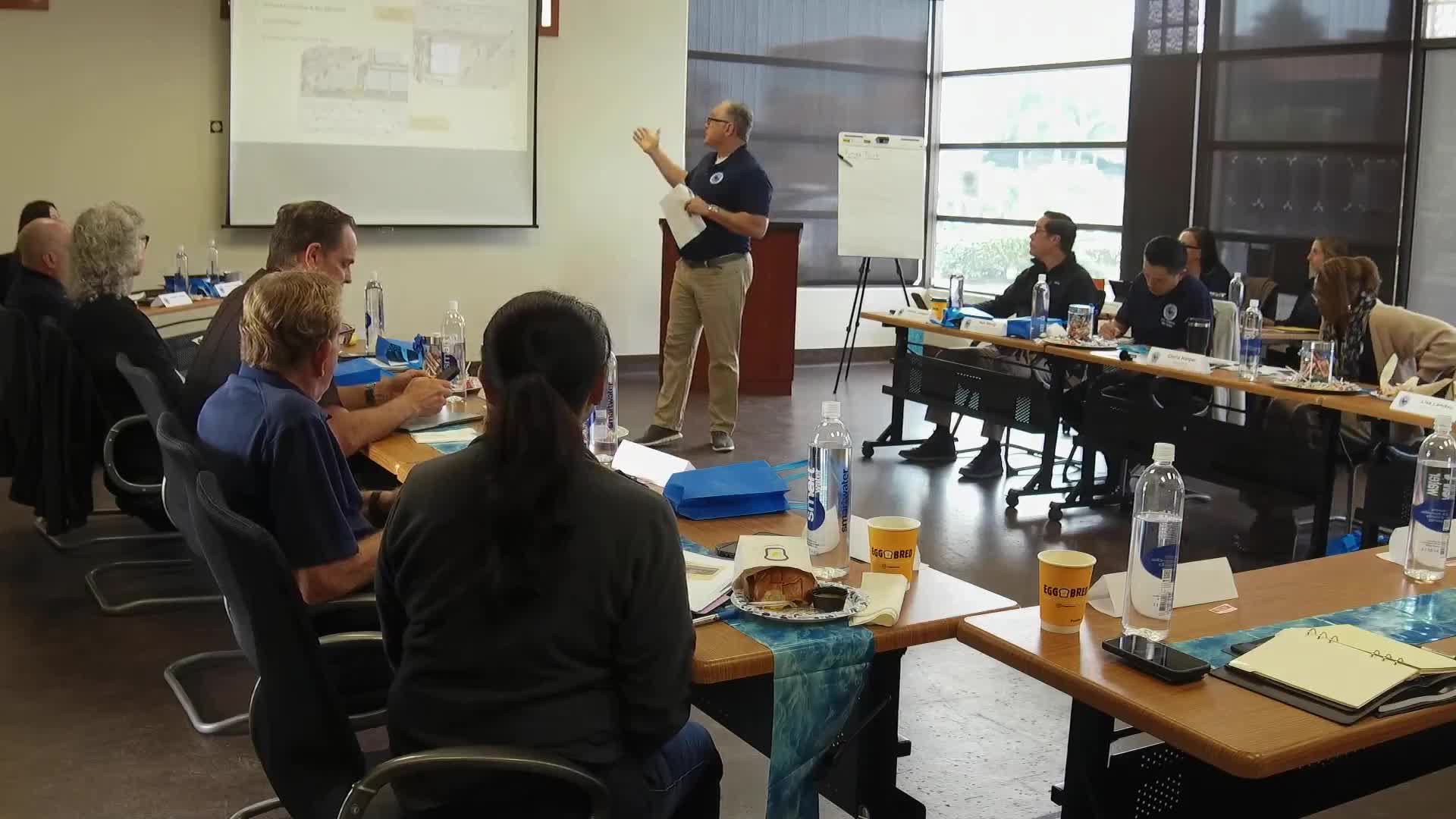
Interim Community Development Director Sean Temple told the council that staff released an RFP to billboard companies in June, interviewed bidders in October and identified candidate sites near the freeway — the Beverly Manor site and the tennis and pickleball center parking area. “We released a RFP to billboard companies in June. We received some responses in August,” Temple said. He added that billboard firms told staff the industry standard for new inventory is digital units that cycle ads in roughly eight-second rotations.
Temple said the typical sequence would require city approvals: a subdivision of the parking lot, a zone change to a commercial designation, and a zone-text amendment. He also said staff met with Caltrans, which exercises permit authority within 600 feet of freeway right-of-way. On environmental review, Temple said small structures similar to wireless facilities would “most likely qualify for a categorical exemption” under CEQA (Class 3), reducing the need for an initial study.
Council members focused on control of content, traffic and light spill. Temple said billboard operators generally solicit advertisers but the city can set contractual restrictions — for example, banning alcohol or limiting political ads — and that modern digital displays include ambient-light sensors and louvers to reduce off-site glare. “They were very clear to us that as a city we are allowed to put conditions or…mark out types of ads that we don't want to see,” he said.
Temple and other staff also said vendors had offered ways to program the screens for public-safety alerts and to provide discounted placement for local events and small businesses. Estimates of revenue varied by vendor and site, staff said, and Temple cautioned that firm figures are subject to negotiation and final lease terms.
Next steps recommended by staff include more council-led design discussions, authorizing a letter of intent to a selected vendor, site-specific feasibility and conceptual design review, and negotiating a lease. Councilmembers expressed a desire for public outreach and design options that preserve the city’s character; the council asked staff to return with a progress report and options by February 2026.
If the council later authorizes a letter of intent, staff said subsequent actions would include subdivision and zone changes, public hearings and possible amendments to existing management agreements for wireless site managers who could administer the billboard leases.
Don't Miss a Word: See the Full Meeting!
Go beyond summaries. Unlock every video, transcript, and key insight with a Founder Membership.
30-day money-back guarantee
Sponsors
Proudly supported by sponsors who keep California articles free in 2025

