Council adopts 2025 Local Hazard Mitigation Plan, establishing grant eligibility and 54 mitigation actions
November 11, 2025 | Seal Beach, Orange County, California
This article was created by AI summarizing key points discussed. AI makes mistakes, so for full details and context, please refer to the video of the full meeting. Please report any errors so we can fix them. Report an error »
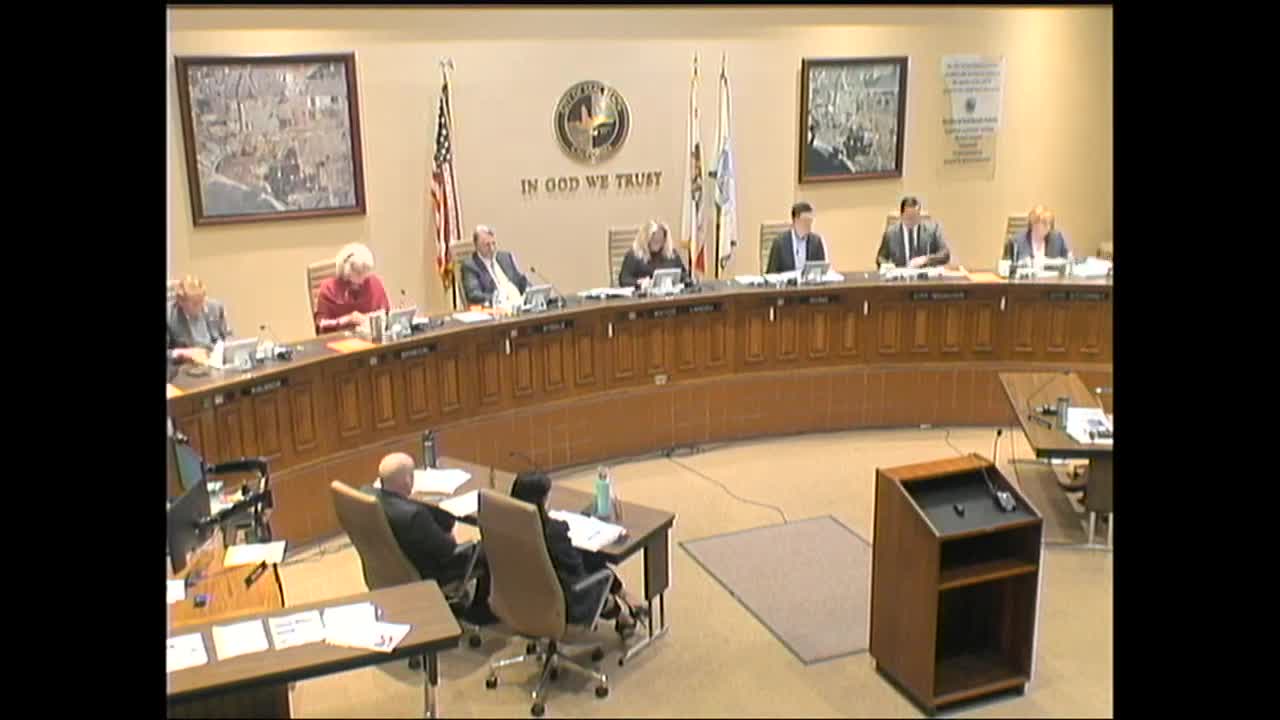
Sergeant Brian Gray and Noelle Anderson of Michael Baker International presented the update. Anderson said the plan incorporated FEMA's 2023 guidance, added power outages as a recognized hazard and included human-caused hazards where appropriate. The update also quantified vulnerabilities, identified socially vulnerable populations (including Leisure World seniors and other residents with access and functional needs), and produced an action matrix of 54 mitigation measures with assigned lead departments, potential funding sources, timelines and priorities.
Anderson highlighted that maintaining an approved LHMP is a prerequisite for FEMA hazard-mitigation grant programs and noted that recent state funding (referenced as Proposition 4 in the presentation) is expected to release significant allocations for mitigation projects. The presentation described the types of projects eligible for grant funding — drinking water, wildfire protection, sea-level-rise analysis and other resilience measures — and the city's outreach process, which included seven stakeholder meetings and four public outreach events.
Council members asked whether stormwater and fire-hydrant projects could qualify for the identified funding streams; staff and consultants said Prop 4 and other state programs are being tracked and that staff would pursue opportunities as notices of funding become available. The council then adopted the plan by a 5-0 vote.
Why it matters: An adopted LHMP is the city's roadmap for pre-disaster mitigation, eligible grant applications and prioritizing capital projects to reduce long-term risk. The plan's inclusion of socially vulnerable populations aims to make mitigation investments more equitable and targeted.
What comes next: Staff will pursue applicable grants (FEMA, Cal OES, state Proposition 4 allocations) for priority mitigation actions and coordinate with department leads to advance projects that meet the plan's criteria.
View the Full Meeting & All Its Details
This article offers just a summary. Unlock complete video, transcripts, and insights as a Founder Member.
30-day money-back guarantee
Sponsors
Proudly supported by sponsors who keep California articles free in 2025

