Commission asks staff for informational report after discussion over unused fields and residency rules
November 07, 2025 | Cerritos City, Orange County, California
This article was created by AI summarizing key points discussed. AI makes mistakes, so for full details and context, please refer to the video of the full meeting. Please report any errors so we can fix them. Report an error »
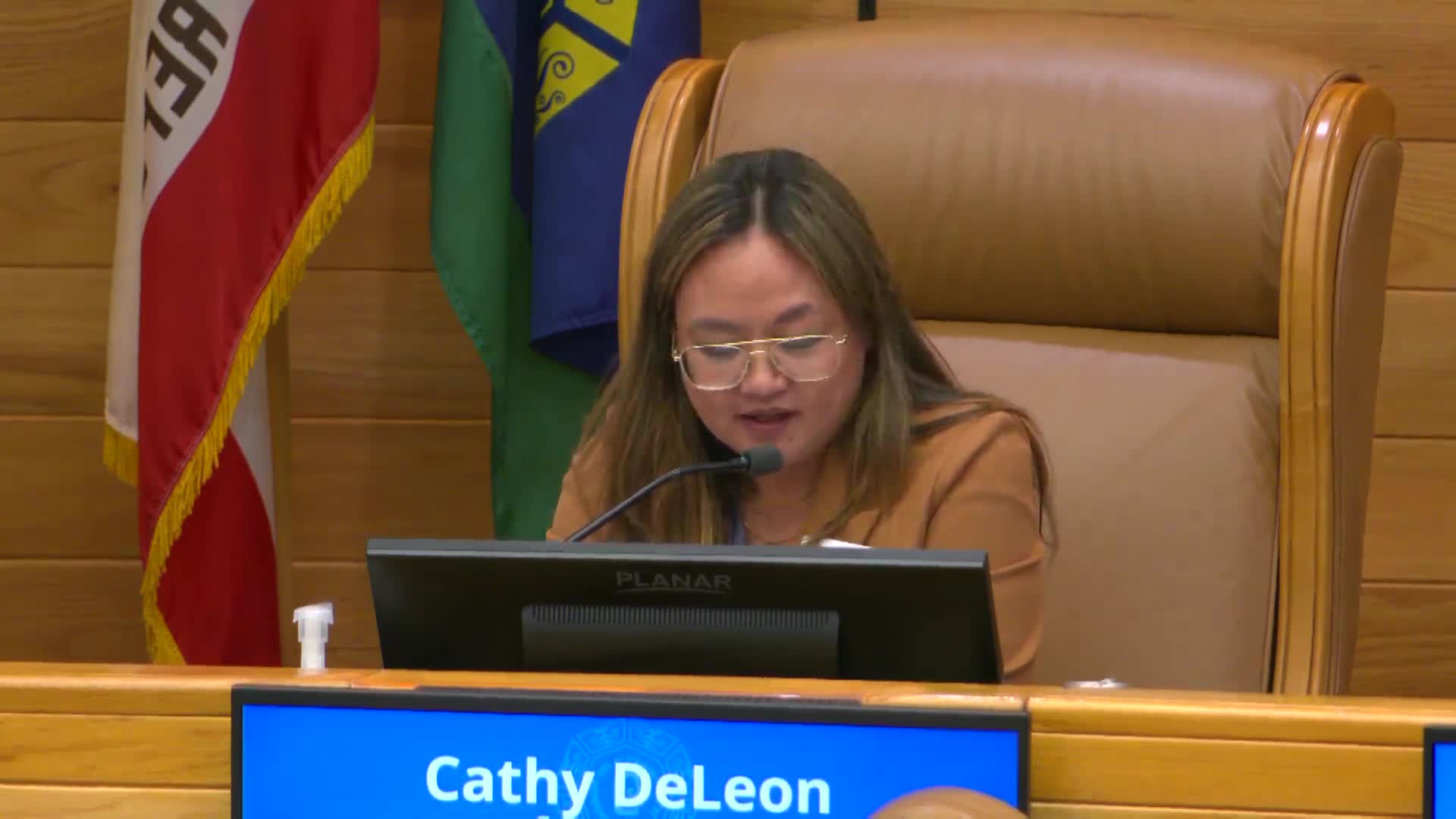
One commissioner described routinely seeing unused fields and suggested the commission consider revisiting residency thresholds and allocation policies so city fields could better accommodate travel teams or tournaments. Commissioners emphasized they were not proposing immediate changes but asked staff for an informational review.
City staff responded with existing policy context. Mr. Patel said the city has a joint-use agreement with the ABC Unified School District that grants the district access to specified fields during school hours (typically about 2–5 p.m.) for the fields listed in that agreement. Recreation Services Administrator Jill Toda described a user-group classification the council previously approved to address groups that did not meet minimum residency thresholds: "We created a g group classification specifically for only athletic groups," Toda said. She explained the g-group process requires an organization to have a minimum membership (staff said 25 members was a typical threshold), to complete the community-organization approval process and to be entitled to field hours based on the number of Cerritos residents in the organization; those g groups must pay for every hour to which they are entitled.
Toda said staff entitles fields first to resident groups (A and B classifications) based on residency counts and then allocates leftover hours to approved g groups. She noted staff monitors permit compliance, collects practice and game schedules, may remove unused weekend permits and can turn off field lights when groups are not using permitted hours. Mr. Patel added that, because the commission is advisory, any policy change would ultimately need City Council consideration and approval.
After discussion, a commissioner moved to request an informational report to be placed on a near-future commission agenda that explains the field-allocation process and lists current organizations that are entitled to field hours. The motion was seconded and commissioners voted in the affirmative; the motion carried. Staff said it would schedule the informational report as soon as practicable, allowing time for research and the Thanksgiving holiday.
Ending: The informational report will provide the commission a comprehensive background on current allocations, user-group classifications (A, B and G), entitlement-hours calculations and enforcement practices. The commission may use that report to form recommendations to the City Council on any policy changes.
View the Full Meeting & All Its Details
This article offers just a summary. Unlock complete video, transcripts, and insights as a Founder Member.
30-day money-back guarantee
Sponsors
Proudly supported by sponsors who keep California articles free in 2025

