Coalition presses for science and process reforms as state moves on sheephead management
November 06, 2025 | Carteret County, North Carolina
This article was created by AI summarizing key points discussed. AI makes mistakes, so for full details and context, please refer to the video of the full meeting. Please report any errors so we can fix them. Report an error »
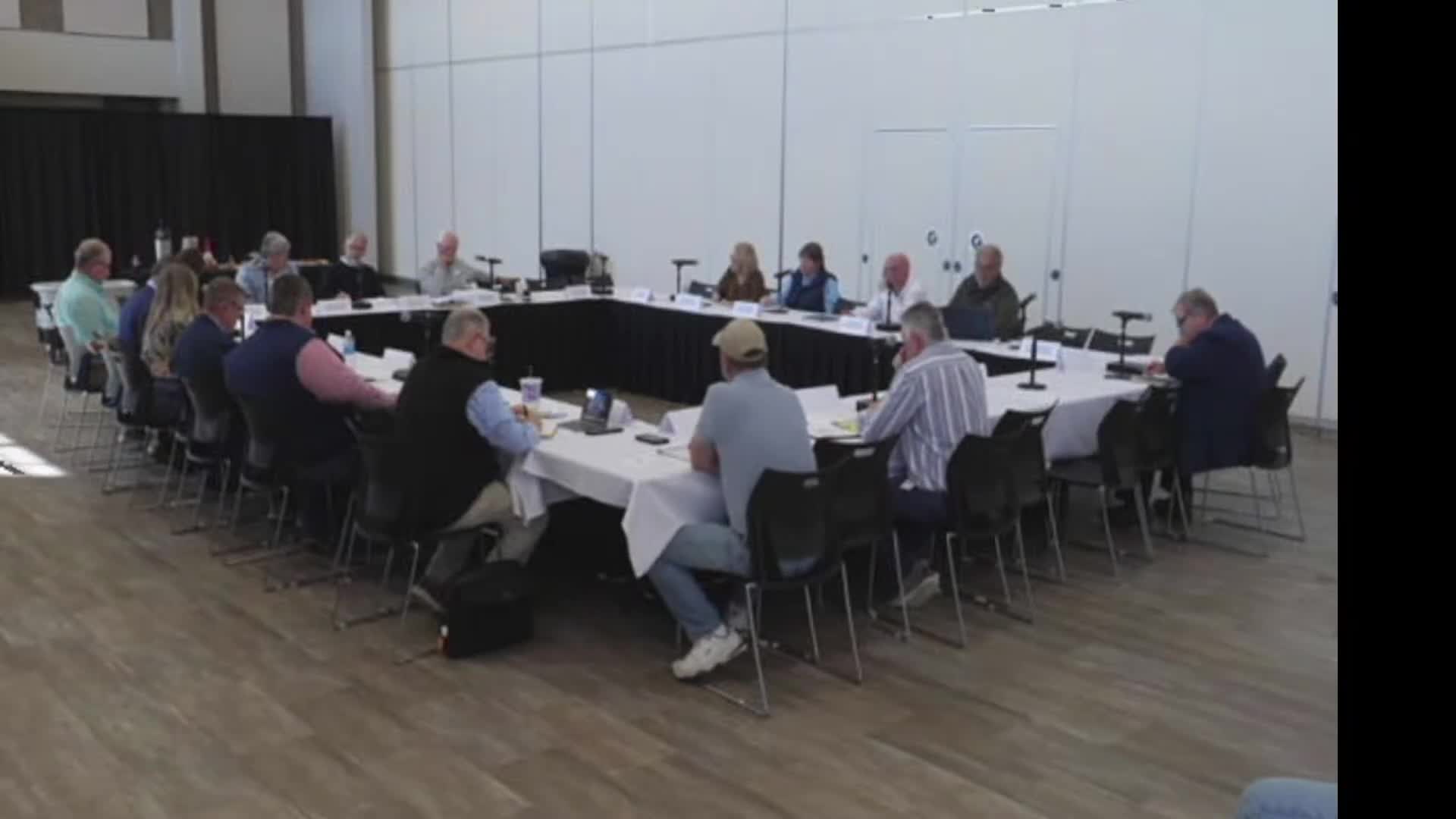
"Now is the time to talk to them," Steve House said, urging members to review the draft materials and attend public comment meetings. Participants emphasized that, under state law, commercially or recreationally important species should be managed using a fishery management plan (FMP) supported by a stock assessment and stock status. Several speakers said that the division has at times implemented measures through proclamation rather than a formal rulemaking process, which bypasses required economic‑impact analysis and Rules Review Commission oversight.
"With our fishery management plans, the division of marine fisheries and the marine fisheries commission are not using rulemaking. They are implementing these through proclamation," a former division staffer and consultant said, adding that proclamations avoid the formal economic‑impact analysis that accompanies rulemaking.
Glenn Skinner and others urged the coalition to press for stronger procedural safeguards: either require full FMPs with peer‑reviewed stock assessments before limits are adopted, or amend state administrative practice so that significant measures go through rulemaking and economic review. The coalition voted to draft a statement on the sheepshead proposal and to authorize the chair to sign and distribute it to commission members and county clerks.
Speakers also raised the broader question of how to get timely, defensible data for stock assessments and how to ensure economic impact studies meaningfully quantify effects on coastal communities. "We don't have a stock assessment for blue crab," a fisheries association representative said in the meeting to illustrate the problem with acting on incomplete analyses. Several members called for targeted data collection and for exploring legislative fixes to ensure transparency and statutory clarity.
The coalition's action is procedural: it will draft a statement for member review and authorized the chair to finalize and distribute it. The coalition did not adopt specific regulatory language; any county that wishes to take independent action will need to follow its own board procedures.
Background: members flagged the Fishery Reform Act and recent statutory requirements that can require FMPs and economic analyses; attendees recommended using those provisions to press for a transparent process. Coalition staff will circulate the draft statement for review and report back at the next meeting.
Don't Miss a Word: See the Full Meeting!
Go beyond summaries. Unlock every video, transcript, and key insight with a Founder Membership.
30-day money-back guarantee
Sponsors
Proudly supported by sponsors who keep North Carolina articles free in 2025

