Maumee staff warn of failing AMI water-meter system; committee discusses replacement with Master Meter/Harmony
November 06, 2025 | Maumee City Council, Maumee, Lucas County, Ohio
This article was created by AI summarizing key points discussed. AI makes mistakes, so for full details and context, please refer to the video of the full meeting. Please report any errors so we can fix them. Report an error »
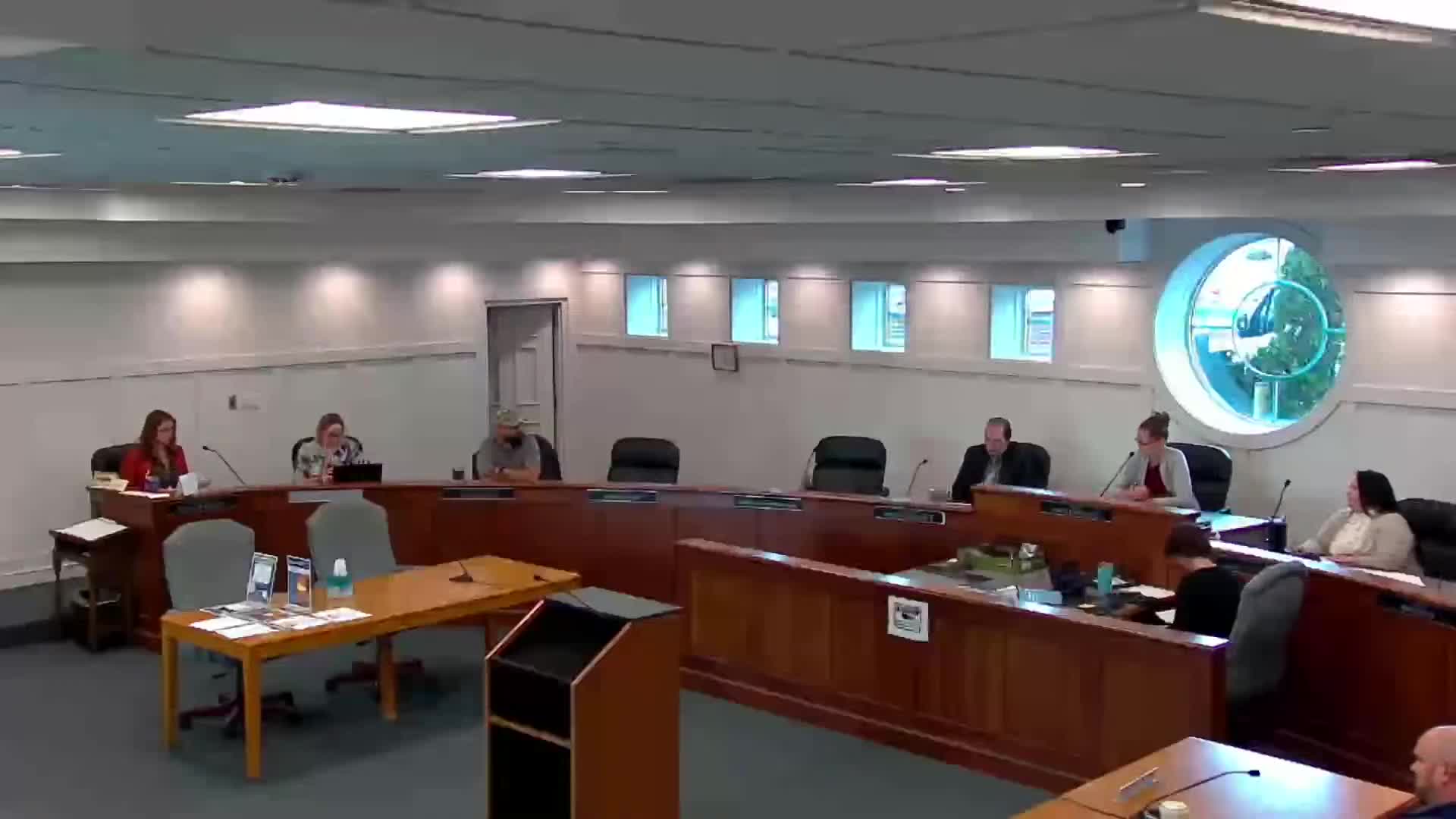
Staff and utility-billing lead John Kelly explained repeated firmware updates and vendor changes have drained node batteries and damaged collectors, producing days-to-weeks delays on service tickets and critical gaps in billed reads. They said the vendor's support model has become slower since corporate reorganization and that recent firmware pushes have "burned up" batteries or nodes.
As a result, staff presented a vendor-alternative and replacement proposal based on field visits and pilots with Master Meter meters and the Harmony communications/portal suite. Staff reported positive experience with Master Meter in the city's commercial meters and noted Harmony includes a resident-facing consumption portal without the recurring AquaHawk fee. The proposed replacement would include replacement of roughly 6,500 meters, third-party installation and photo-documented, portal-backed records of meter locations and reads to support billing validation.
Staff emphasized procurement options and timing: the city may be able to use Sourcewell cooperative purchasing (staff to confirm) rather than a full competitive bid, which could speed procurement. Staff estimated a roughly six-month installation window once a contract is executed and said if budget approval occurs early, a spring start and 2026 completion is possible; staff also warned the current vendor could discontinue AMI service before year end and urged proactive planning.
Committee members asked about contingency plans if AMI service stops during the transition. Staff described fallback options: drive- or walk-by manual reads where possible, resident-entered reads into a temporary database for billing, and an estimate/adjustment process to reduce billing disruption. Staff also highlighted an opportunity to combine meter replacement with the EPA-required service-line material inspection/reporting (due 2027) so the contractor could deliver both meter replacement and the EPA-required inventory as a single project.
No formal procurement decision was made. Committee members asked staff to pursue updated quotes, confirm Sourcewell eligibility, and include meter-replacement funding in the 2026 budget process to allow a spring implementation if approved.
Don't Miss a Word: See the Full Meeting!
Go beyond summaries. Unlock every video, transcript, and key insight with a Founder Membership.
30-day money-back guarantee
Sponsors
Proudly supported by sponsors who keep Ohio articles free in 2025

