Clatsop County public health releases youth substance‑use prevention assessment; recommends early, community-driven programs
November 06, 2025 | Clatsop County, Oregon
This article was created by AI summarizing key points discussed. AI makes mistakes, so for full details and context, please refer to the video of the full meeting. Please report any errors so we can fix them. Report an error »
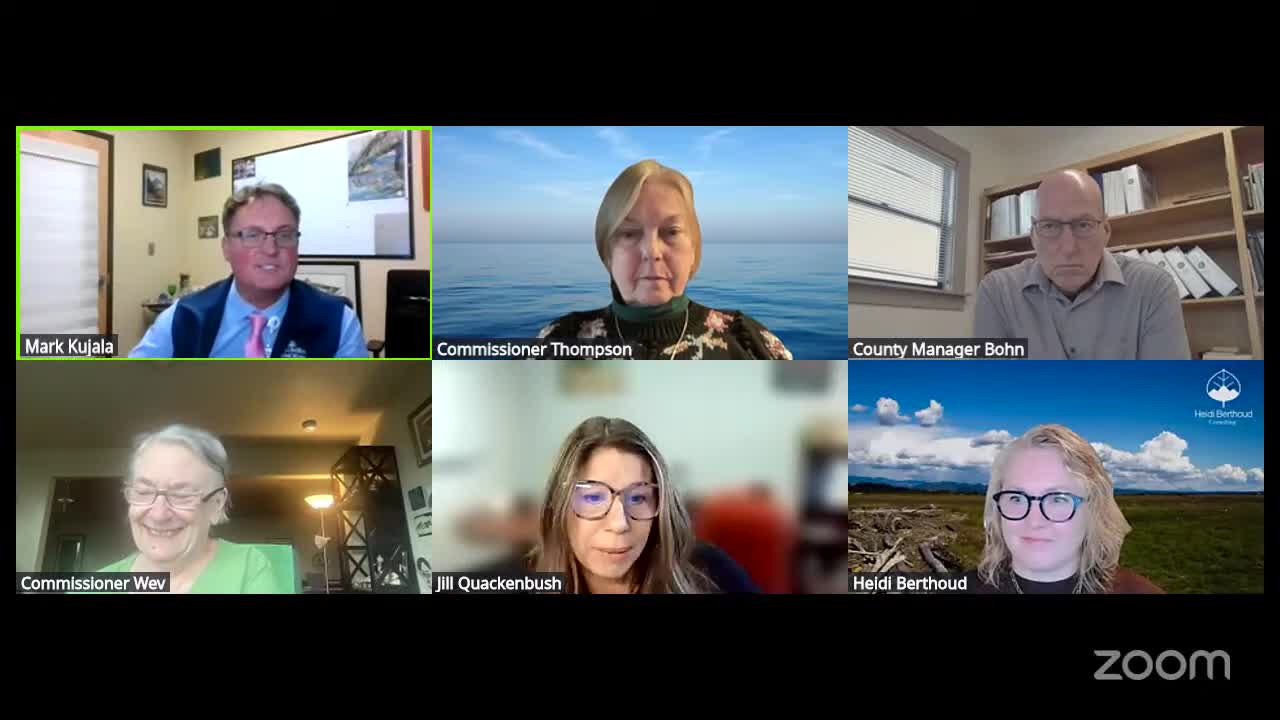
Jill Quackenbush, public health division manager, told the board the county contracted Heidi Bertel Consulting in March 2025 to conduct a focused assessment of primary prevention for middle and high school youth. “This needs assessment aligns with public health modernization goals of providing data driven programs and strategies through the inclusion of community input,” Quackenbush said.
Consultant Heidi Bertel described mixed methods including bilingual focus groups, in‑person student sessions at area schools, an educator survey, interviews with community partners and analysis of the statewide student health survey. She said the final report emphasized findings from 8th‑ and 11th‑grade data and in‑person conversations with youth and educators.
Key findings: youth report they get most of their information about substances from social media and want direct, non‑fear‑based conversations that explain why adults advise against use. Youth and educators prioritized improved mental‑health supports, more safe, supervised places to gather and peer‑based approaches. Educators reported limited experience referring students for substance‑use support and uneven confidence in engaging parents on prevention.
Why it matters: public health staff said the assessment will guide prioritization for tobacco, alcohol and other drug prevention funds and proposals for opioid‑settlement dollars. Quackenbush said staff will take the report back to superintendents and community partners and then prioritize feasible interventions given local capacity.
Next steps: staff plan community outreach, prioritization with partners (including Clatsop Behavioral Health), and proposals for how to use prevention and settlement funds. Timelines are driven by the county’s biennial prevention plan and partner capacity; Quackenbush estimated implementation planning over the next 6–12 months.
Quotes (selected)
“This needs assessment aligns with public health modernization goals of providing data driven programs and strategies through the inclusion of community input.” — Jill Quackenbush, public health division manager.
“Youth self‑report that they are getting most of their substance use information from social media,” — Heidi Bertel, consultant.
Ending
The board signaled support for using the report to inform prevention funding and partnerships. Staff said they will distribute the final report to the board and to community partners, pursue collective‑impact approaches for implementation and return with prioritized proposals for funding and evaluation.
Don't Miss a Word: See the Full Meeting!
Go beyond summaries. Unlock every video, transcript, and key insight with a Founder Membership.
30-day money-back guarantee
Sponsors
Proudly supported by sponsors who keep Oregon articles free in 2025

