SEDCOR reports on local business growth, cites multiple expansion projects and waste-to-energy interest
November 06, 2025 | Marion County, Oregon
This article was created by AI summarizing key points discussed. AI makes mistakes, so for full details and context, please refer to the video of the full meeting. Please report any errors so we can fix them. Report an error »
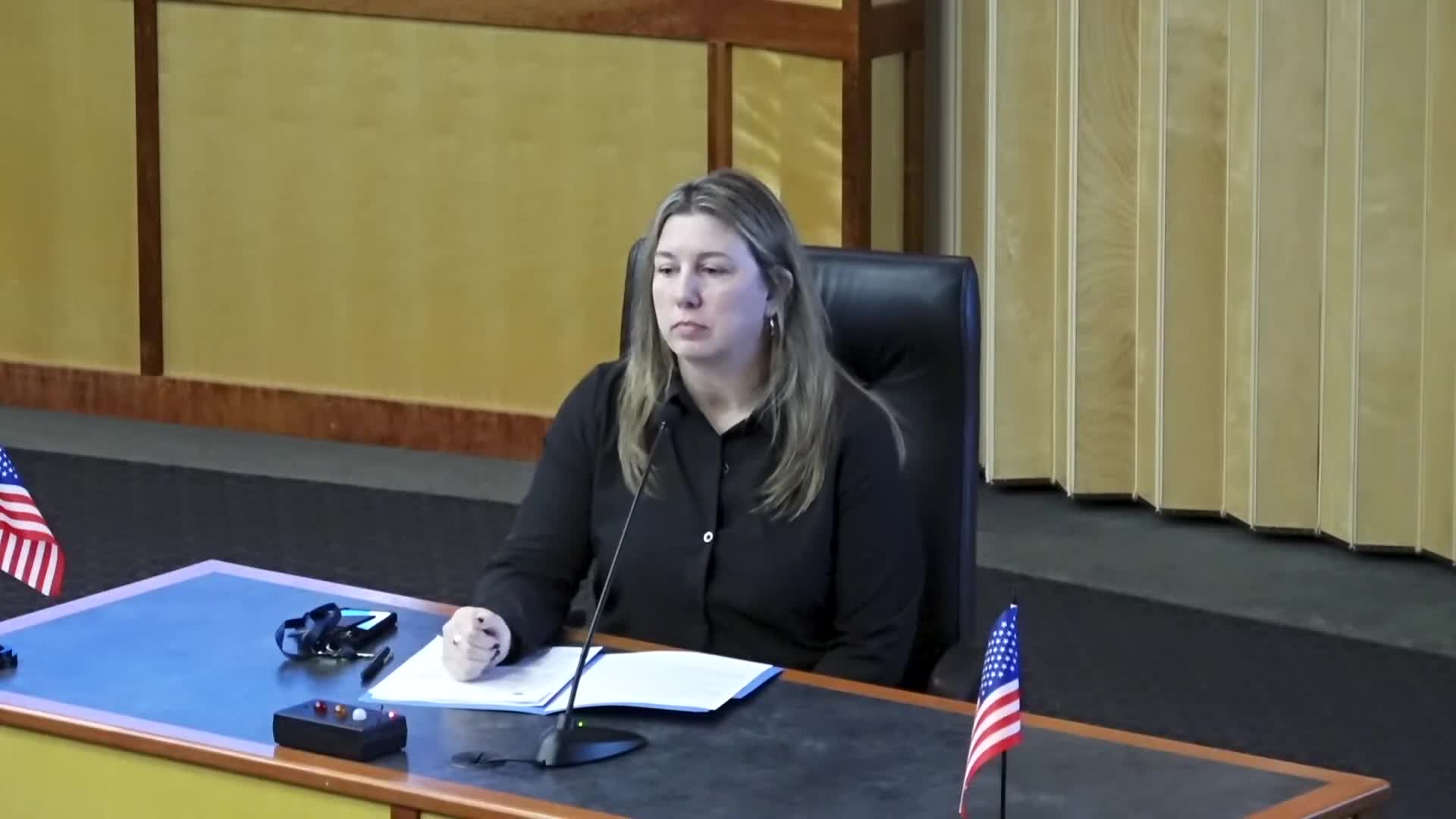
Sarah Cooley, Marion County economic development specialist, said the county’s grant agreement with Sedcor allocates $160,000 annually from the county’s economic development program. Eric Anderson, Sedcor president, and Kip Morris, Sedcor’s business retention and expansion manager, described several active projects: a facility search for Vans Aircraft near Aurora Airport; Meega Motors’ small-scale plug-in solar device; Jay’s Teriyaki expanding sauce manufacturing; Scenic Fruit facility upgrades; and Pacific Coast Producers (formerly Oregon Cherry Growers) seeking to raise production from roughly 30% current capacity and to upskill its workforce.
Sedcor highlighted a Norpak food-processing expansion described as approximately a $52,000,000 project tied to an enterprise zone that Sedcor estimated would generate roughly $980,000 in property tax revenue for local communities. The presentation also noted Project Bridal Line, a potential data-center project with early pre-application engagement in Salem where heritage oak trees on the Mill Creek site present siting constraints.
Project Barber Pole, described as a waste-to-energy proposal costing over half a billion dollars, was discussed at length. Presenters said the project team believes its technology would meet Department of Environmental Quality (DEQ) requirements under ‘‘Senate Bill 488’’ as mentioned in the presentation, but that any facility would require siting through Marion County’s land-use process. Presenters emphasized a preference to reuse the Brooks facility rather than converting new agricultural (EFU) land.
Sedcor also reported two additional years of Business Oregon funding for the Launch Mid Valley regional innovation hub to support venture-catalyst services, pitch events (Pitch Willamette) and outreach to manufacturers. The presentation covered workforce partnerships, construction-industry training (including a WWP train-to-retain program and OMEP incumbent worker training), and engagement with growers through a Ford Family Foundation grant to enable field trials and ag-innovation work.
Commissioners raised regional coordination questions (including ties to Southern Oregon partners) and pressed Sedcor on water distribution and reuse concerns raised by large nurseries; Sedcor and the board discussed opportunities for state agency engagement. Sedcor provided metrics for the quarter (for Marion County: 6 community visits, 36 business visits, multiple events and trainings) and described recent industry tours and awards events.
Don't Miss a Word: See the Full Meeting!
Go beyond summaries. Unlock every video, transcript, and key insight with a Founder Membership.
30-day money-back guarantee
Sponsors
Proudly supported by sponsors who keep Oregon articles free in 2025

