City releases first-quarter financial report; reserves at 6.4% versus 25% target
November 06, 2025 | Albany City, Linn County, Oregon
This article was created by AI summarizing key points discussed. AI makes mistakes, so for full details and context, please refer to the video of the full meeting. Please report any errors so we can fix them. Report an error »
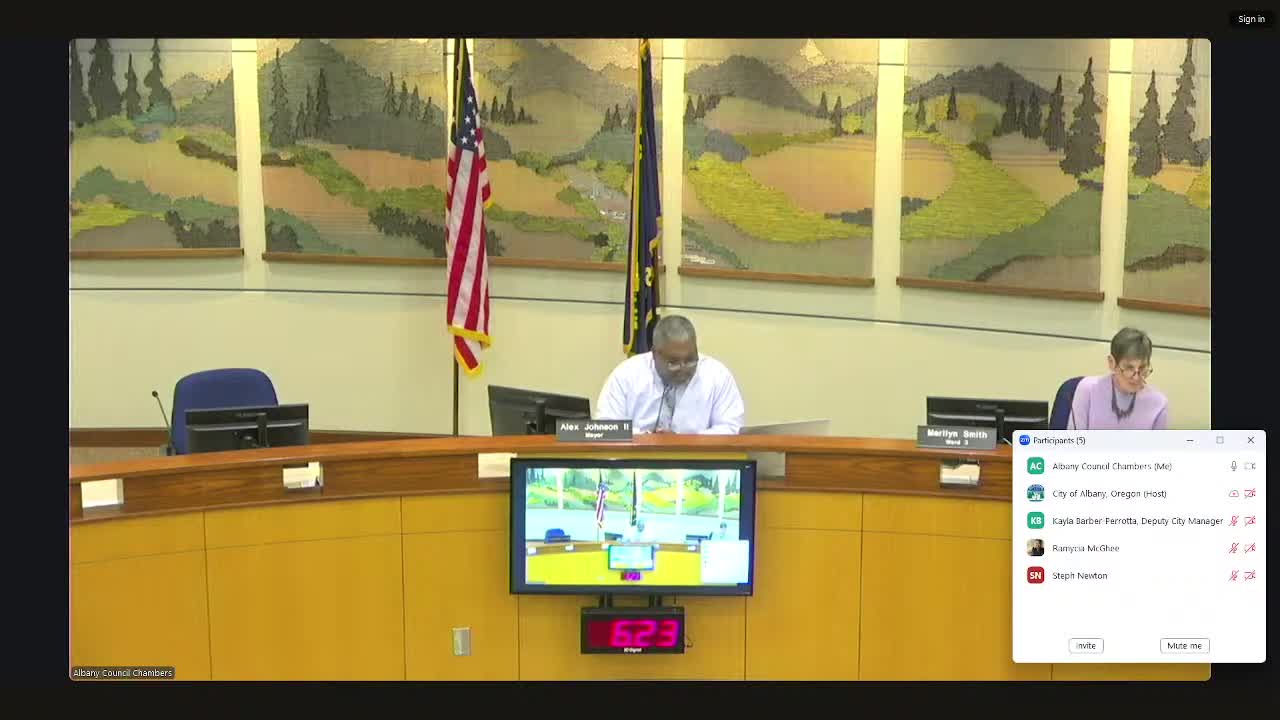
Deputy City Manager Jen Ambuhel and Finance Director Gina Yeager said the apparent revenue spike this biennium results largely from accounting corrections posted in period 13 of the previous biennium; as the current fiscal year progresses, the officials said, the period-to-period figures should align more closely. Yeager told council that overall funds are performing as expected, though capital project timing and personnel costs will influence expenditures in coming quarters.
Staff reported citywide reserves at about 6.4% with the general fund at about 7.3%, well below the 25% reserve target the council adopted. Yeager said the city used a Government Finance Officers Association-style (GFOA) risk-based analysis to set target ranges and that Albany's current reserve needs are pushed up because of reliance on grants and a lack of revenue diversity. The report noted efforts to build reserves without imposing rate increases, such as pursuing one-time savings and efficiency gains.
The presentation covered revenue sources and pressures, including uncertainty tied to tariffs and federal and state funding, improving but potentially softening investment returns, and increased revenues from facility rentals and stormwater service charges. Staff described organizational steps intended to increase efficiency: splitting parks responsibilities to add a parks maintenance worker, moving utility billing under finance to reduce duplication, deploying laptops for staff, and implementing monday.com to automate workflows and capital tracking.
Councilors asked for additional details about tariff exposure and the number of intergovernmental agreements (IGAs); staff said they are compiling an inventory of IGAs and will present it to council, and indicated they will return with an ordinance formalizing traffic-diversion changes in January. The city manager also reported a placeholder for an economic development grant program in the adopted budget; staff plan to return with a draft after the Economic Development Advisory Committee provides input.
By giving the council and public a concise, illustrated quarterly report, staff said they hoped to improve transparency and support longer-term financial planning.
"One of the major goals we wanted out of this was to make sure that we created something for you that not only provided an overview, but told a story," Jen Ambuhel said.
Don't Miss a Word: See the Full Meeting!
Go beyond summaries. Unlock every video, transcript, and key insight with a Founder Membership.
30-day money-back guarantee
Sponsors
Proudly supported by sponsors who keep Oregon articles free in 2025

