TCEQ denies petition to create Ellis County MUD FM 984, citing inconsistent cost and supply evidence
November 06, 2025 | Commission on Environmental Quality(TCEQ), Departments and Agencies, Executive, Texas
This article was created by AI summarizing key points discussed. AI makes mistakes, so for full details and context, please refer to the video of the full meeting. Please report any errors so we can fix them. Report an error »
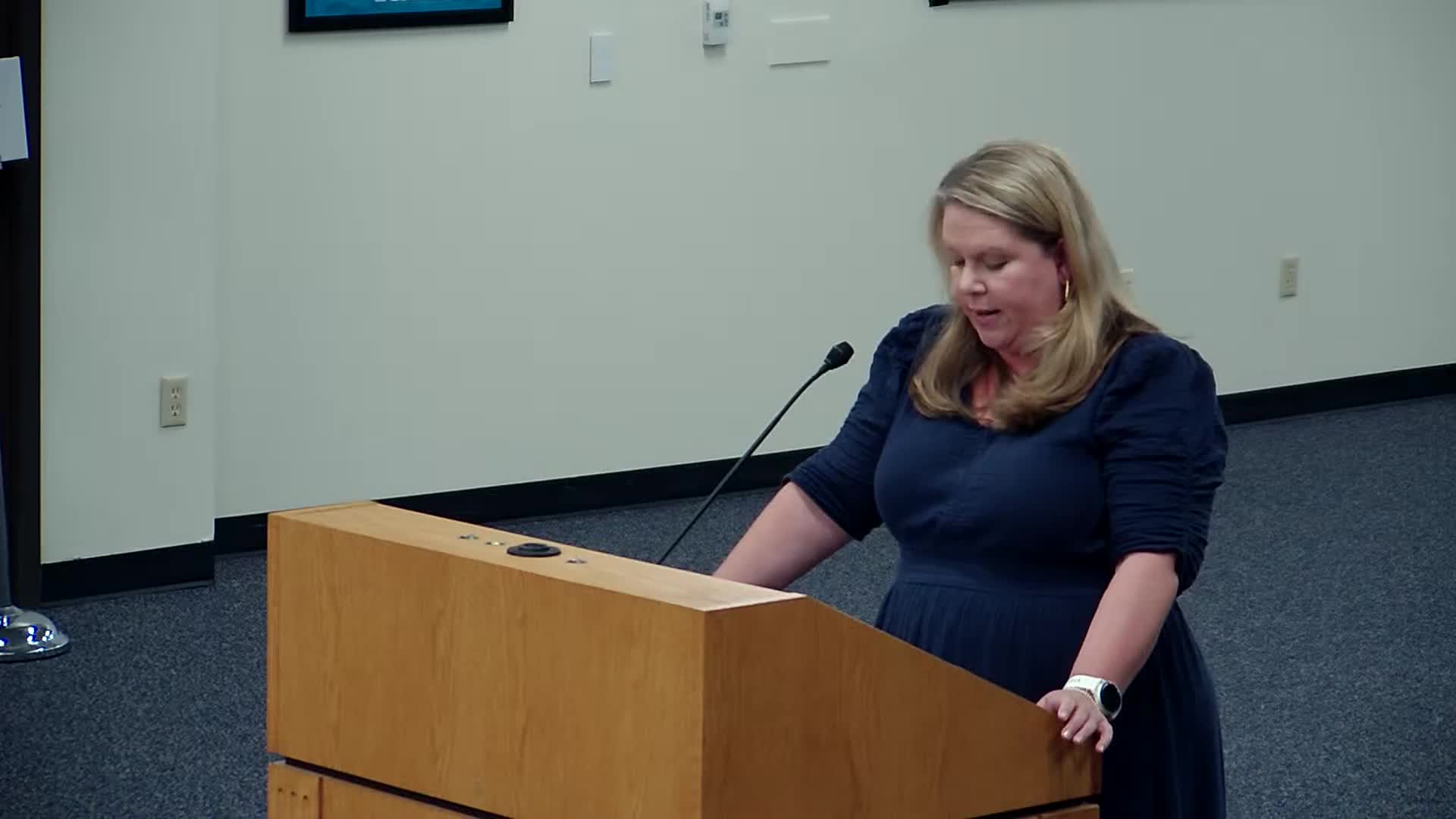
Protestants represented by Stephanie Albright (Brickerstaff Heath Delgado Acosta) — on behalf of Ellis County and the City of Venus — argued the applicant failed to meet the burden of proof required under Texas Water Code section 54.021. Albright told the commission the applicant presented conflicting and incomplete cost information, relied on post-petition quotes submitted during the contested case proceeding, and underestimated essential infrastructure needs, including water-supply wells and wastewater treatment capacity.
"These discrepancies are egregious and would have a significant impact to future tax rates and utility rates within the proposed district," Albright said, summarizing the county and city objections and asking the commission to adopt the ALJ's proposal for decision.
Cole Malley of the Executive Director's staff said the ED reviewed additional evidence submitted at hearing and found it conflicted with the petition materials. The ED concluded the applicant did not meet the statutory test that the project is "feasible, practicable, necessary, and would be a benefit to the land" and recommended denial.
Yoland Martinez of OPIC echoed the ED, citing projected water-supply shortfalls (the Pearland Groundwater Contribution District limit versus the petition's projected demand), inconsistency in the number of proposed homes, and large differences between engineering-report cost estimates and corrected cost estimates presented in testimony. OPIC recommended the commission adopt the ALJ's proposal for decision and deny the petition.
The chair moved to adopt the ALJ's proposed order with specified changes to findings of fact (including clarifications about subsidence and correcting a misstated combined projected tax rate) and to deny the petition; the motion was seconded and approved by the commissioners.
The ALJ and ED had identified material deviations between the applicant's initial petition materials and later testimony and exhibits (including an alleged need for far greater water-supply infrastructure and a larger wastewater plant than shown in the preliminary engineering report), which the commission cited in adopting denial of the petition.
View the Full Meeting & All Its Details
This article offers just a summary. Unlock complete video, transcripts, and insights as a Founder Member.
30-day money-back guarantee
Sponsors
Proudly supported by sponsors who keep Texas articles free in 2025

