Sedgwick County wins pause after KDOC's proposed 38% cut to community corrections funding
November 06, 2025 | Sedgwick County, Kansas
This article was created by AI summarizing key points discussed. AI makes mistakes, so for full details and context, please refer to the video of the full meeting. Please report any errors so we can fix them. Report an error »
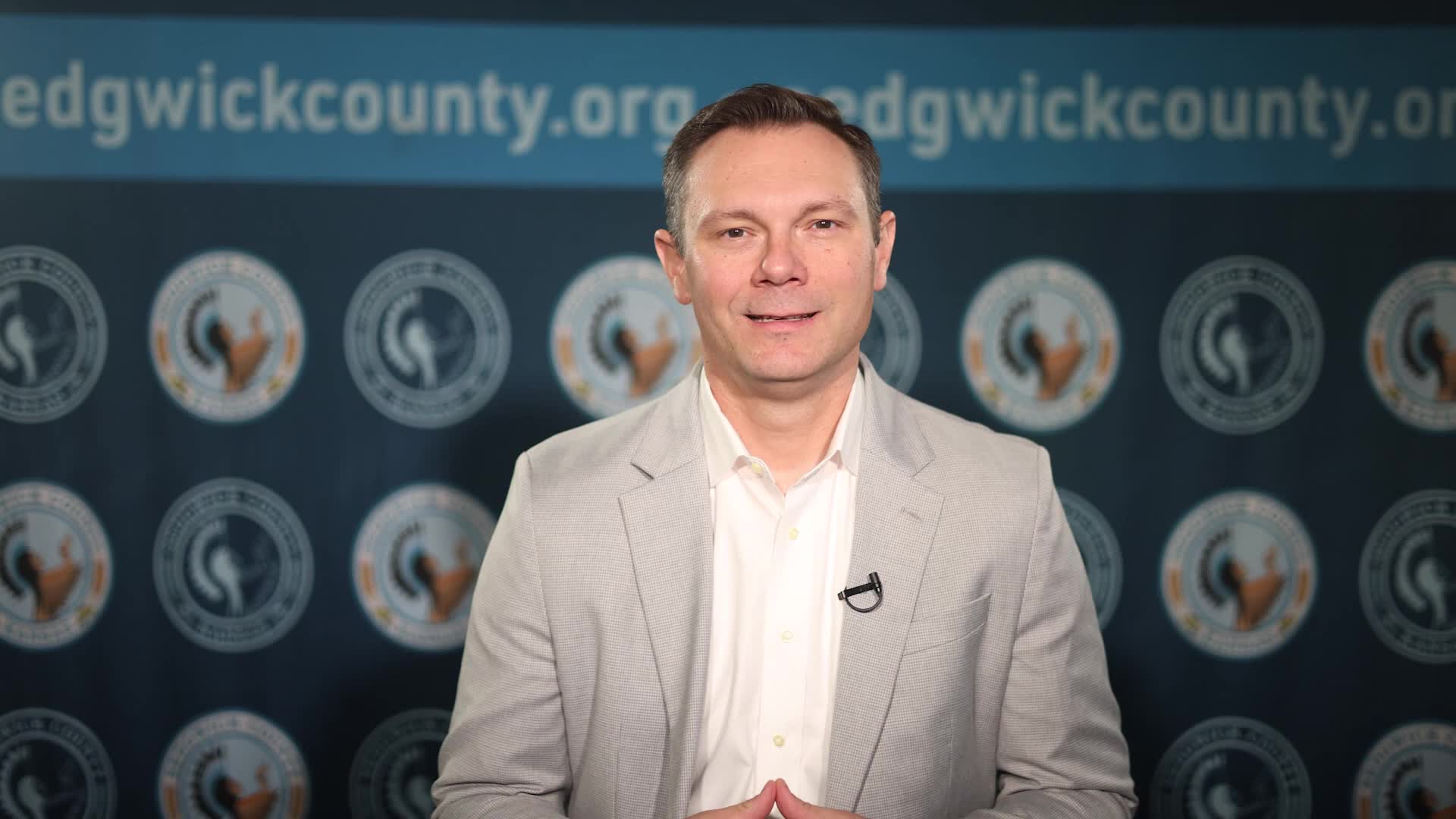
The proposed change would reallocate how the state distributes Community Corrections Act (CCA) funds established in 1978, and Beatty said the cut would total nearly $2,100,000 and threaten the county's ability to provide supervision to an average daily population of about 1,100 felony offenders. "Based on that new formula, the Kansas Department of Corrections was scheduling Sedgwick County to receive a 38% cut in KDOC funding. 38%. We were shocked when we heard this news," Beatty said.
Why it matters: Sedgwick County, which Beatty said has the state's largest community corrections caseload and receives nearly 25% of supervised individuals sent from other Kansas communities, relies on KDOC allocations to fund intensive supervision and rehabilitative programs. Beatty warned that "a cut of this size, 38%, not only does it impact our ability to support rehabilitation, it also impacts our ability to provide public safety to the rest of the community," and said some clients are violent offenders who require appropriate supervision.
Details from the county's account: Beatty described the state-level process that produced the formula change. He said a Community Corrections Advisory Committee, formed to assist KDOC, included six counties that were invited to participate; those counties received funding increases under the new allocation model (examples Beatty cited included Allen Neosho at a 30% increase, Johnson County at 36%, Labette/Crawford at 24%, and Dickinson and Geary at 16%). By contrast, Sedgwick County was not invited to the advisory process and faced the 38% reduction.
"The only changes are how they were choosing to allocate the funds to local communities, and it's deeply concerning that those that were in the room were benefiting, while those that were left out of the room were being cut," Beatty said.
County response and outcome: After public advocacy by county officials, Beatty said KDOC Secretary Jeff Smuta and KDOC staff met with Sedgwick County leaders in October. Beatty said KDOC agreed to pause implementation of the new funding formula, to hold Sedgwick County harmless in the short term, and to jointly reconsider formula design and possible updates to the 1978 CCA. "They hit pause, and we are going to collectively work on a new funding formula together," Beatty said.
Limits and next steps: Beatty characterized the pause as a short-term reprieve rather than a final solution. He urged Sedgwick County officials to be "in the room" for subsequent negotiations and called for a modern, evidence-based approach to correct funding and programming under the CCA. He said he would continue to publicly advocate for Sedgwick County and provide updates to District 4 residents.
Context and source: The account and direct quotations in this report come from Commissioner Ryan Beatty's District 4 update to constituents. The transcript records Beatty identifying the statute as the Kansas Community Corrections Act (1978), citing KDOC leadership (Secretary Jeff Smuta), and giving the specific figures quoted above. The transcript does not record a formal vote or a signed agreement; it records KDOC's agreement to pause implementation pending further discussions.
What remains unspecified: The transcript does not specify the exact timeline for KDOC's review, any revised formula text, whether a replacement funding formula will increase total appropriations, or what interim operational steps Sedgwick County must take to be "held harmless." Funding sources beyond KDOC allocations, the split of any county-level matching requirements, and any formal intergovernmental agreement terms were not specified in the transcript.
Don't Miss a Word: See the Full Meeting!
Go beyond summaries. Unlock every video, transcript, and key insight with a Founder Membership.
30-day money-back guarantee
Sponsors
Proudly supported by sponsors who keep Kansas articles free in 2025

