Salem Lakes EDC explores regional road consortium to chase state innovation grant
November 05, 2025 | Salem Lakes, Kenosha County, Wisconsin
This article was created by AI summarizing key points discussed. AI makes mistakes, so for full details and context, please refer to the video of the full meeting. Please report any errors so we can fix them. Report an error »
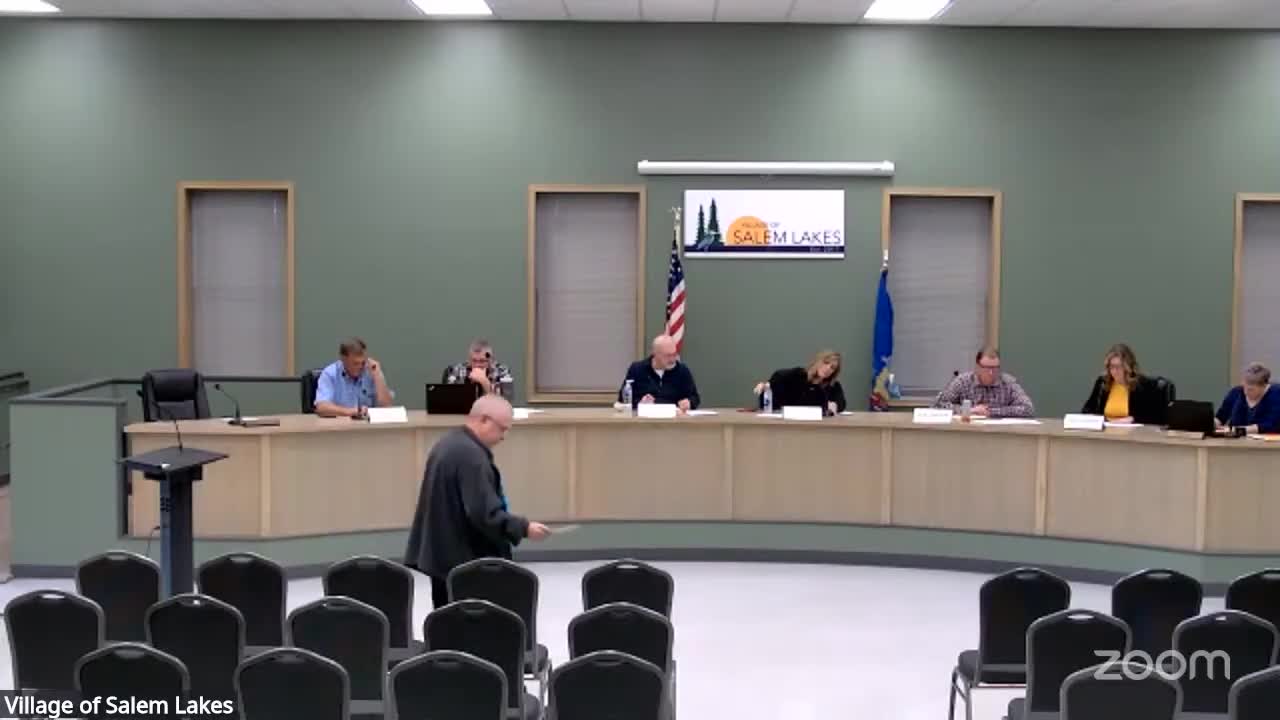
Committee members said the grant makes up to 25% of an applicant’s existing spending on a service available for up to five years if services are consolidated or transferred, and favors proposals that show a sustainable, long-term structure rather than a short-term approach that would end when funding stops. "The faster that we can put something together," one committee member said, "the more likely we'll be able to get the funds." Jay, a village staff member, explained the payment formula: "It's 25% of what you're currently paying...for five years," and used a library example to show how a village spending $600,000 on services could be eligible for $150,000 annually under the grant rules.
Why it matters: The grant could free local revenue for other priorities by offsetting a portion of continuing service costs, but it requires a sustainable plan that survives after grant payments end. Committee members said the application process is time-limited: the state application window is due March 31 and the group aims to have an application-ready study and plan in place well before that date.
What was discussed: Committee members reported outreach to nearby municipalities and early interest from up to eight communities. The group discussed two primary approaches: (1) bid work collectively each year so larger contractors can offer lower prices for bundled projects, and (2) pilot shared use of new automated maintenance equipment (for example, automated crack-filling and seal-coating machinery) that could lower labor needs and extend pavement life. Members estimated collective bidding could reduce costs in some cases by 25% to 40%, and said a grant-funded study would be the first step to determine governance, financials and sustainability.
Constraints and limits: Staff cautioned that the grant appears to fund services rather than physical commodities (for example, buying salt alone may not qualify unless presented as part of a service consolidation). Members also noted the program expects an enduring structure, not a temporary funding patch, and agreed the village board would need to sign off on any formal partnership or contract.
Next steps: The committee said it will continue outreach to partner communities, prepare a study funded by the grant application, and present a draft application timeline and PowerPoint to the involved municipalities and to the village board. The item will remain on future agendas for follow-up.
View the Full Meeting & All Its Details
This article offers just a summary. Unlock complete video, transcripts, and insights as a Founder Member.
30-day money-back guarantee
Sponsors
Proudly supported by sponsors who keep Wisconsin articles free in 2025

