Council debates whether ambulance fuel should be itemized in EMS budgets
November 05, 2025 | New Freedom, York County, Pennsylvania
This article was created by AI summarizing key points discussed. AI makes mistakes, so for full details and context, please refer to the video of the full meeting. Please report any errors so we can fix them. Report an error »
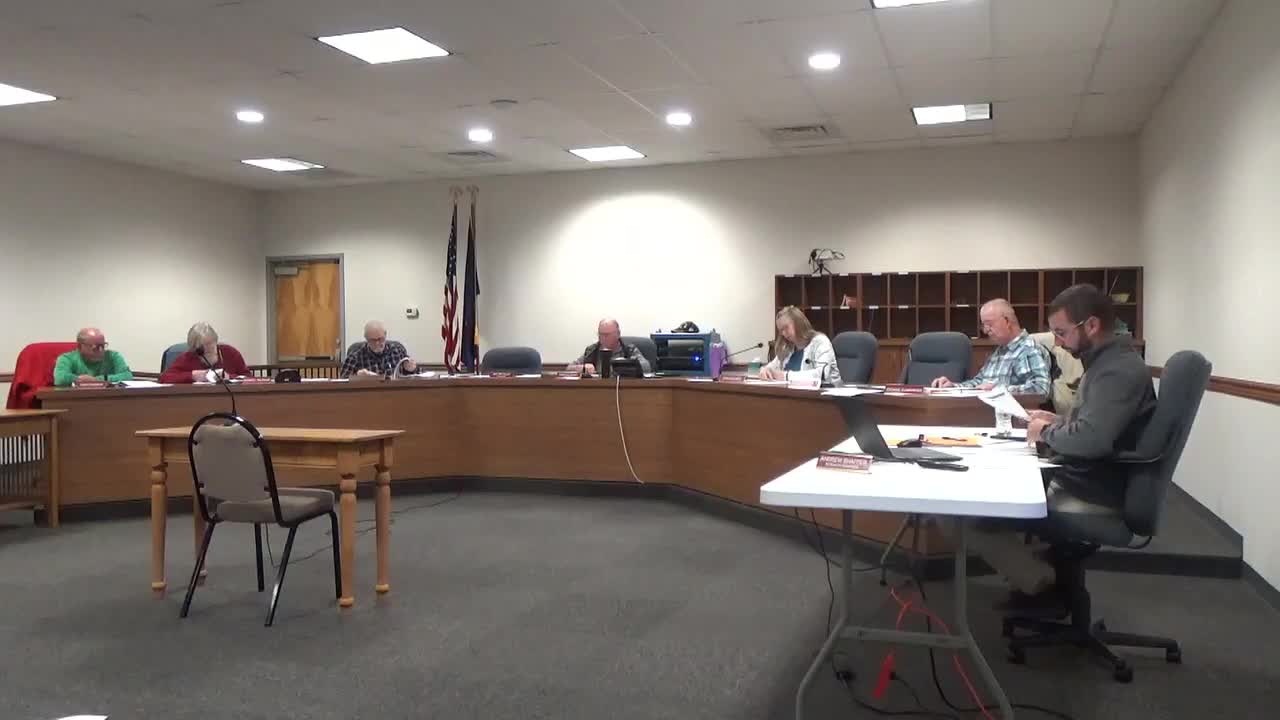
Borough staff told council that ambulance fuel purchases to date total just over $14,000 and explained how a fuel‑PIN system assigns fuel invoices by vehicle type (ambulance, fire, borough). The council spent an extended period discussing whether municipalities that receive ambulance service should pay a proportional share of fuel costs.
Staff said the current practice is to run fuel reports, match invoices to usage by PIN, and allocate costs among ambulance, fire and borough accounts; fuel charges have historically been counted against EMS tax obligations, which reduces a municipality’s payment by the fuel amount the borough supplied.
Several council members argued municipalities that use the ambulance outside borough boundaries should pay the same percentage for fuel as they pay for ambulance calls. Staff said implementing that change requires showing fuel as an expenditure in the ambulance budget—then the portion attributable to each contributing municipality can be treated as part of the expenditure they share. Staff also said they would provide similar breakout reporting for fire department fuel on request.
Staff offered to present the fuel breakdown to the ambulance oversight group (DMS) and to work with the ambulance company so that line‑item expenditures (workers’ comp, fuel) appear on the company’s reported expenditures; that, staff said, would make it straightforward for contributing municipalities to pay a proportional share based on calls and budgeted expenditures.
Next steps: staff will present the fuel and EMS‑tax reporting at the DMS meeting and continue to provide line‑item reports to participating municipalities so fuel can be reflected in municipal EMS budgets.
Staff said the current practice is to run fuel reports, match invoices to usage by PIN, and allocate costs among ambulance, fire and borough accounts; fuel charges have historically been counted against EMS tax obligations, which reduces a municipality’s payment by the fuel amount the borough supplied.
Several council members argued municipalities that use the ambulance outside borough boundaries should pay the same percentage for fuel as they pay for ambulance calls. Staff said implementing that change requires showing fuel as an expenditure in the ambulance budget—then the portion attributable to each contributing municipality can be treated as part of the expenditure they share. Staff also said they would provide similar breakout reporting for fire department fuel on request.
Staff offered to present the fuel breakdown to the ambulance oversight group (DMS) and to work with the ambulance company so that line‑item expenditures (workers’ comp, fuel) appear on the company’s reported expenditures; that, staff said, would make it straightforward for contributing municipalities to pay a proportional share based on calls and budgeted expenditures.
Next steps: staff will present the fuel and EMS‑tax reporting at the DMS meeting and continue to provide line‑item reports to participating municipalities so fuel can be reflected in municipal EMS budgets.
View the Full Meeting & All Its Details
This article offers just a summary. Unlock complete video, transcripts, and insights as a Founder Member.
✓
Watch full, unedited meeting videos
✓
Search every word spoken in unlimited transcripts
✓
AI summaries & real-time alerts (all government levels)
✓
Permanent access to expanding government content
30-day money-back guarantee
