Justices weigh whether amended groundwater application is a 'new' filing and who can seek review
November 05, 2025 | Supreme Court of Texas, Judicial, Texas
This article was created by AI summarizing key points discussed. AI makes mistakes, so for full details and context, please refer to the video of the full meeting. Please report any errors so we can fix them. Report an error »
Petitioners emphasized changes in well locations, pumping amounts, and management-zone boundaries and argued that those changes created new interests that could not have been litigated in the earlier (2009) proceeding. Counsel argued the district’s failure to act on a timely request to participate — which the petitioners said was reflected in meeting minutes — amounted to a denial by operation of law and permitted judicial review under Texas Water Code provisions invoked in argument.
District counsel, represented in argument by Mister De La Fuente and Mister McCarthy, disagreed. They told the court local rules and statutory exhaustion requirements were designed to bring certainty to permitting processes, and that Cockrell failed to seek party status in a timely way under the district’s rules. The district argued the court of appeals should have started by examining standing and administrative-exhaustion principles and that dismissing a late attack on an administrative permit protects finality and orderly agency decisionmaking.
Third-party intervenors and affected landowners — including counsel for Fort Stockton Holdings — urged the court to consider due-process limits and practical consequences of reopening permit hearings many years after initial administrative decisions and settlement negotiations.
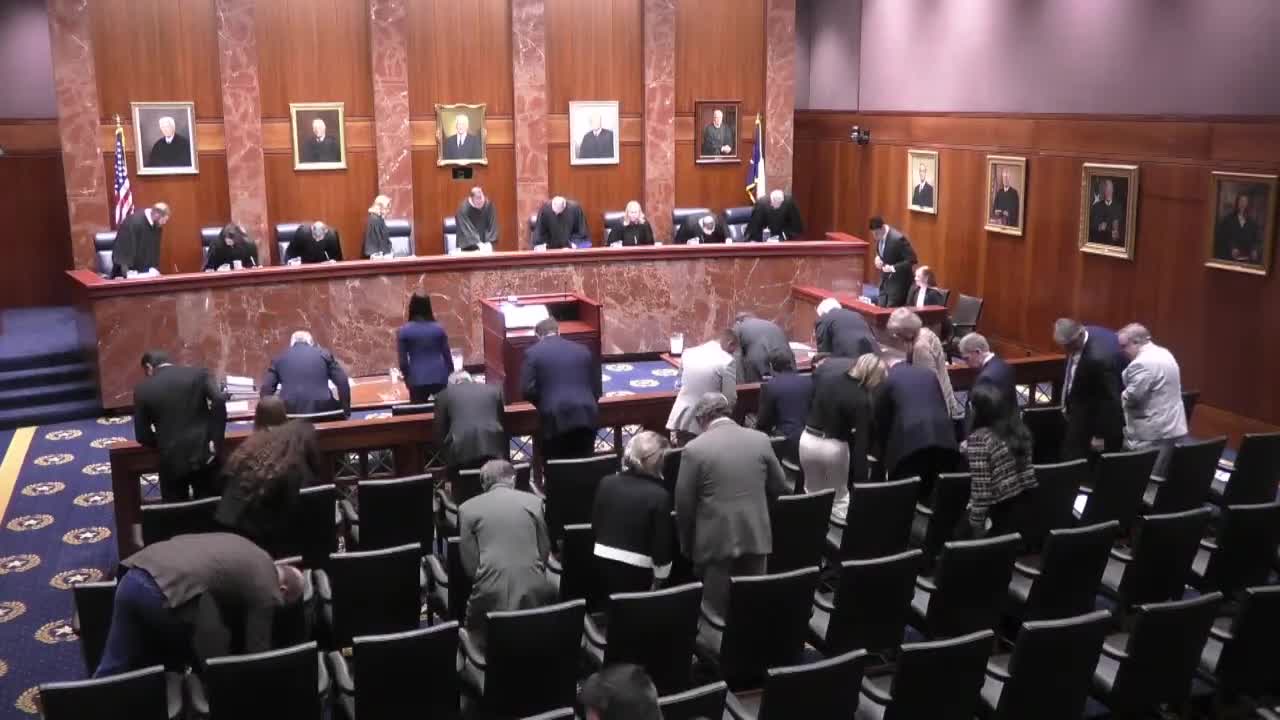
Throughout the argument the justices tested competing textual readings of the Texas Water Code (including §36.251(a) and §36.113) and local district rules (identified in argument as local rule 11.100.481 and local rule 4.9). Counsel for Cockrell urged the court to adopt a rule that treats materially changed applications as new applications for public-participation purposes; district counsel urged deference to the district’s administered timing rules and exhaustion framework. No opinion was delivered from the bench.
Don't Miss a Word: See the Full Meeting!
Go beyond summaries. Unlock every video, transcript, and key insight with a Founder Membership.
30-day money-back guarantee
Sponsors
Proudly supported by sponsors who keep Texas articles free in 2025

