High court questions finality and appealability in Family Dollar summary-judgment dispute
November 05, 2025 | Supreme Court of Texas, Judicial, Texas
This article was created by AI summarizing key points discussed. AI makes mistakes, so for full details and context, please refer to the video of the full meeting. Please report any errors so we can fix them. Report an error »
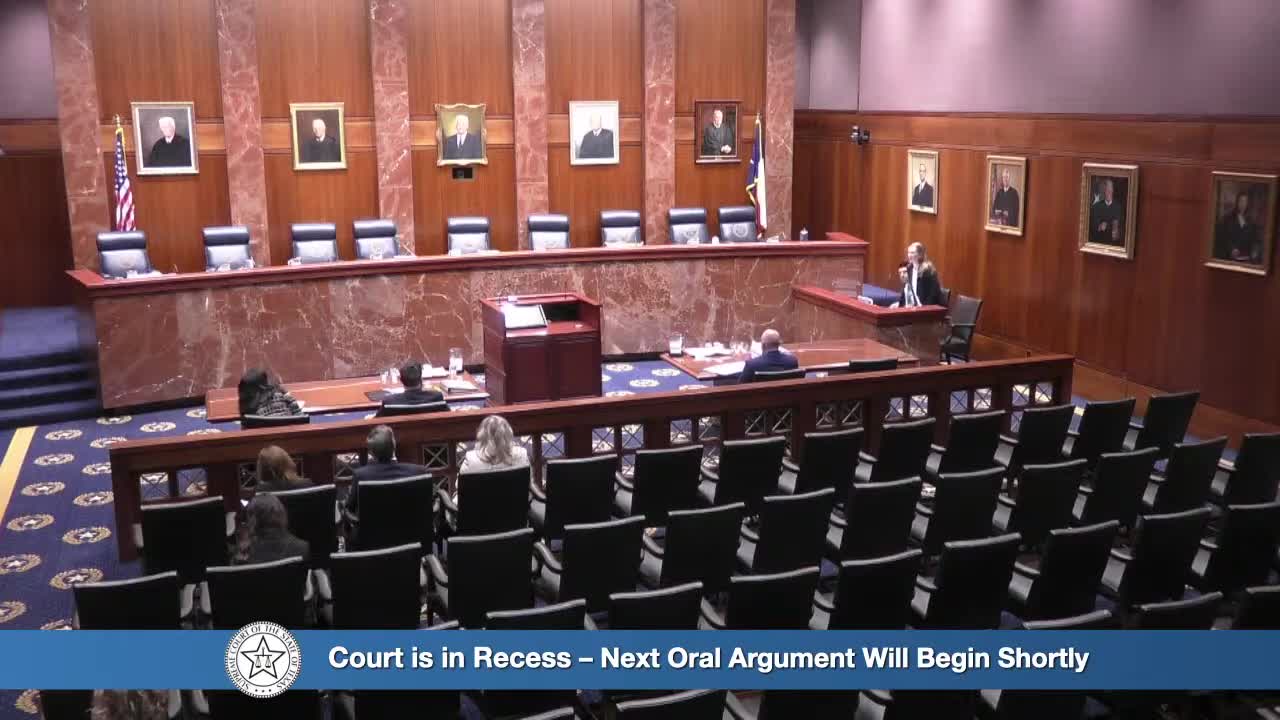
At argument justices asked whether the trial court could clarify or revisit the summary-judgment order and what effect a later order granting permission to appeal and staying proceedings would have on finality. Counsel for one party (identified at argument as Mister Wert) argued the later order did not change the operative finality language in the earlier summary judgment and that the appeal was properly before the court. Opposing counsel emphasized the unusual procedural posture and asked the court to confirm whether the record supported appellate jurisdiction.
Oral argument also ranged into separate doctrinal issues presented in the record — including disputes over whether certain claims sounded in nuisance, whether damages remedies had been waived or were time-barred, and how equitable remedies such as injunctions relate to statutory limitations. Counsel and justices discussed decisions touching on the relation between limitations for damages and injunctive relief, and whether a two‑year limitations period for damages affects a landowner’s right to seek equitable abatement of a continuing nuisance.
The court took argument without announcing a decision from the bench.
Don't Miss a Word: See the Full Meeting!
Go beyond summaries. Unlock every video, transcript, and key insight with a Founder Membership.
30-day money-back guarantee
Sponsors
Proudly supported by sponsors who keep Texas articles free in 2025

