Kandiyohi County hears HHS update on SNAP/WIC after federal shutdown; board debates emergency contingency funds
November 05, 2025 | Kandiyohi County, Minnesota
This article was created by AI summarizing key points discussed. AI makes mistakes, so for full details and context, please refer to the video of the full meeting. Please report any errors so we can fix them. Report an error »
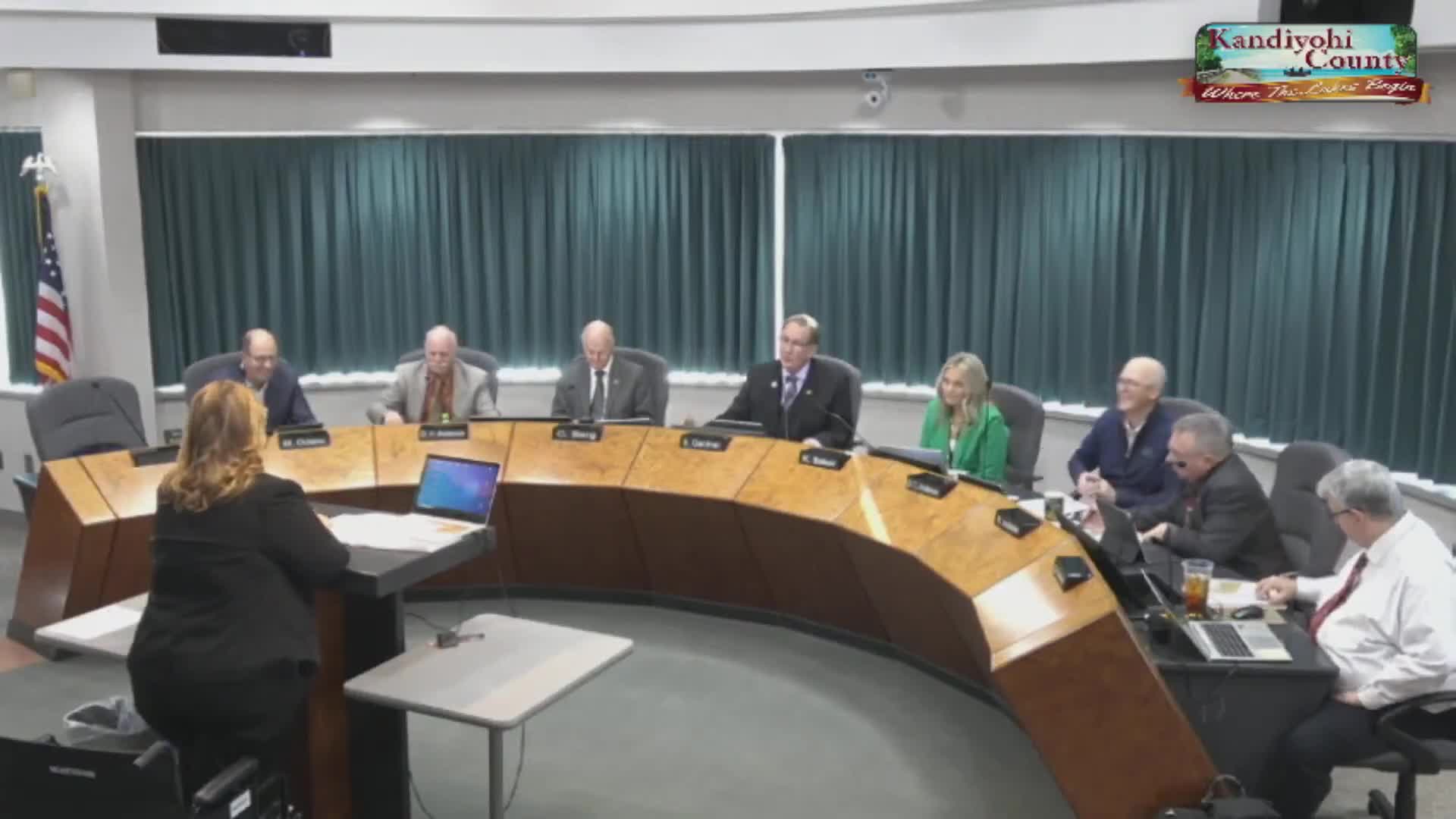
Khan told commissioners that the U.S. Department of Agriculture had announced contingency funds for SNAP but that guidance on distribution to states and counties remained pending. She said Kandiyohi County’s caseload includes roughly 3,521 SNAP participants and about 1,540 WIC participants (357 women, 870 children and 313 infants). Khan estimated average monthly WIC benefit costs in the county run about $33,000 and SNAP benefits total about $522,000 monthly, for roughly $550,000 in monthly nutrition support in the county.
Khan and staff also warned of an expected rise in scam attempts tied to benefit‑related outreach and urged residents not to share PINs, Social Security numbers or banking information with unsolicited contacts. She said WIC funding that had been secure through mid‑November was updated the morning of the meeting to extend funding into December.
Commissioners discussed whether Kandiyohi County should authorize county resources to backfill benefits if federal or state disbursements were delayed. Commissioner Berg proposed a motion authorizing the county administrator and the HHS director to appropriate up to $10,000 from county funds during November to meet emergent food needs between board meetings. The motion prompted lengthy debate about where funds would come from, legal authority to appropriate levy or non‑levy funds, and whether staff should first develop a clearer operational plan.
Administrator Baker said there are non‑levy and reserve funds that could be used and that staff would identify appropriate funding sources. Several commissioners preferred a short special meeting or clearer staff recommendation before committing county dollars; others argued the county should be prepared to act promptly if residents face immediate hunger.
After extended discussion, a motion to postpone the authorization until the next regular board meeting or until a special meeting is called carried; staff were asked to coordinate with community partners, clarify needs and report back to the board. Khan and county staff said they will continue to coordinate with community resource partners, philanthropic donors and food‑distribution organizations and to provide weekly updates to commissioners.
No binding county appropriation was enacted at Tuesday’s meeting; the board directed staff to refine contingency options and to return with a recommendation, or to call a special meeting if an urgent need arises before the next regular session.
View the Full Meeting & All Its Details
This article offers just a summary. Unlock complete video, transcripts, and insights as a Founder Member.
30-day money-back guarantee
Sponsors
Proudly supported by sponsors who keep Minnesota articles free in 2025

