Board discusses reading absentee names and balancing confidentiality with public‑records law
November 04, 2025 | Buncombe County, North Carolina
This article was created by AI summarizing key points discussed. AI makes mistakes, so for full details and context, please refer to the video of the full meeting. Please report any errors so we can fix them. Report an error »
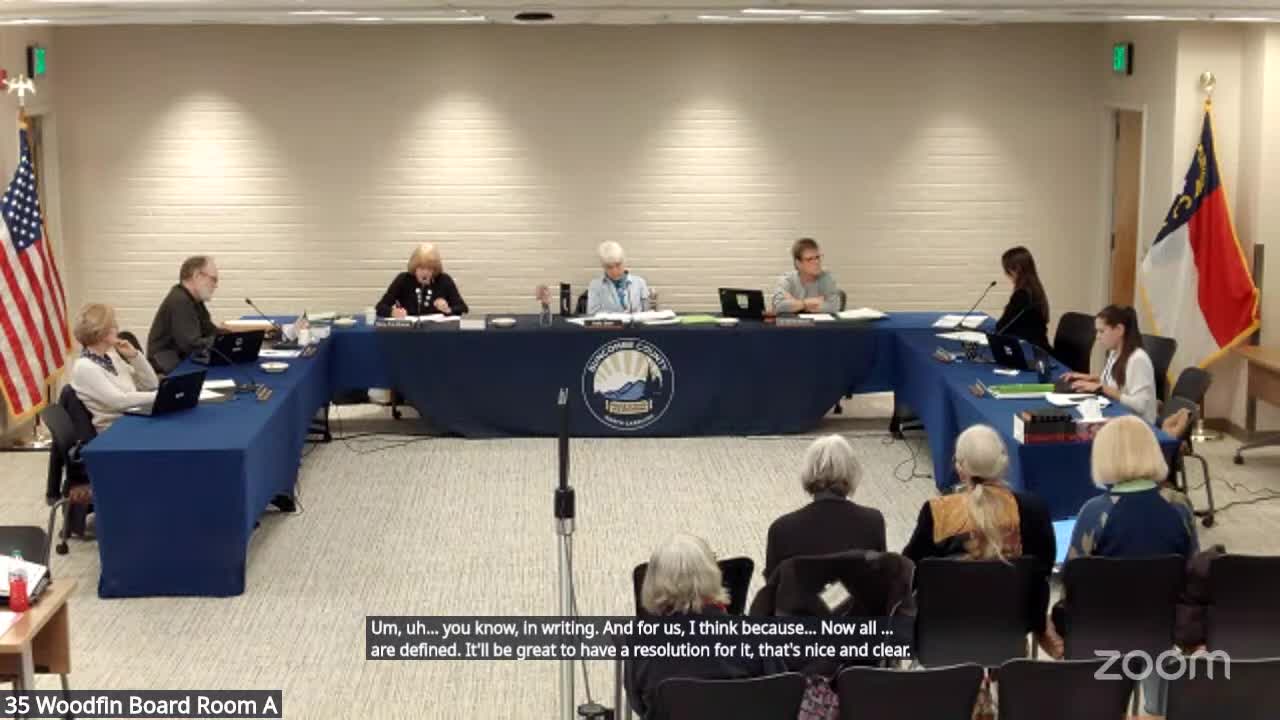
Elections staff referenced a local memo (numbered memo 2020‑25) and a statutory citation in the transcript, noting that “names of absentee voters may be read aloud during absentee board meetings” and that those names become public record when accepted by the board. Staff summarized the legal tension as: confidentiality rules govern returned absentee requests, but once accepted the absentee list is public.
Why it matters: Boards must follow state law and local procedure when handling absentee materials. How and when names are disclosed can affect individual voter privacy and a board’s ability to process challenges in a timely way.
The board discussed options. One approach staff recommended was to read only the names of approved absentee ballots at the end of the meeting so that only accepted names become public: “If waiting till the end means that the only ones left are the ones that are approved, then you don't have a problem reading the names,” a board member said. Staff also noted that when ballot lists are large, the printed list is often easier to use and that the public list is available online and at the office front desk.
Staff will prepare a consolidated memo describing procedures for filling election‑day vacancies, early‑voting vacancies and emergency assistant appointments, and the board will consider a written resolution so procedures are clear and consistent with State Board guidance.
Ending: The board did not adopt a new rule at the meeting but agreed on a working practice to read approved absentee names at the end of meetings for small counts and rely on printed lists and online records for larger volumes; staff will draft a memo consolidating procedures for board review.
View the Full Meeting & All Its Details
This article offers just a summary. Unlock complete video, transcripts, and insights as a Founder Member.
30-day money-back guarantee
Sponsors
Proudly supported by sponsors who keep North Carolina articles free in 2025

