State outlines $1.4 billion HUD recovery allocation; single‑family housing aid now open, outreach urged
November 03, 2025 | Rutherford County, North Carolina
This article was created by AI summarizing key points discussed. AI makes mistakes, so for full details and context, please refer to the video of the full meeting. Please report any errors so we can fix them. Report an error »
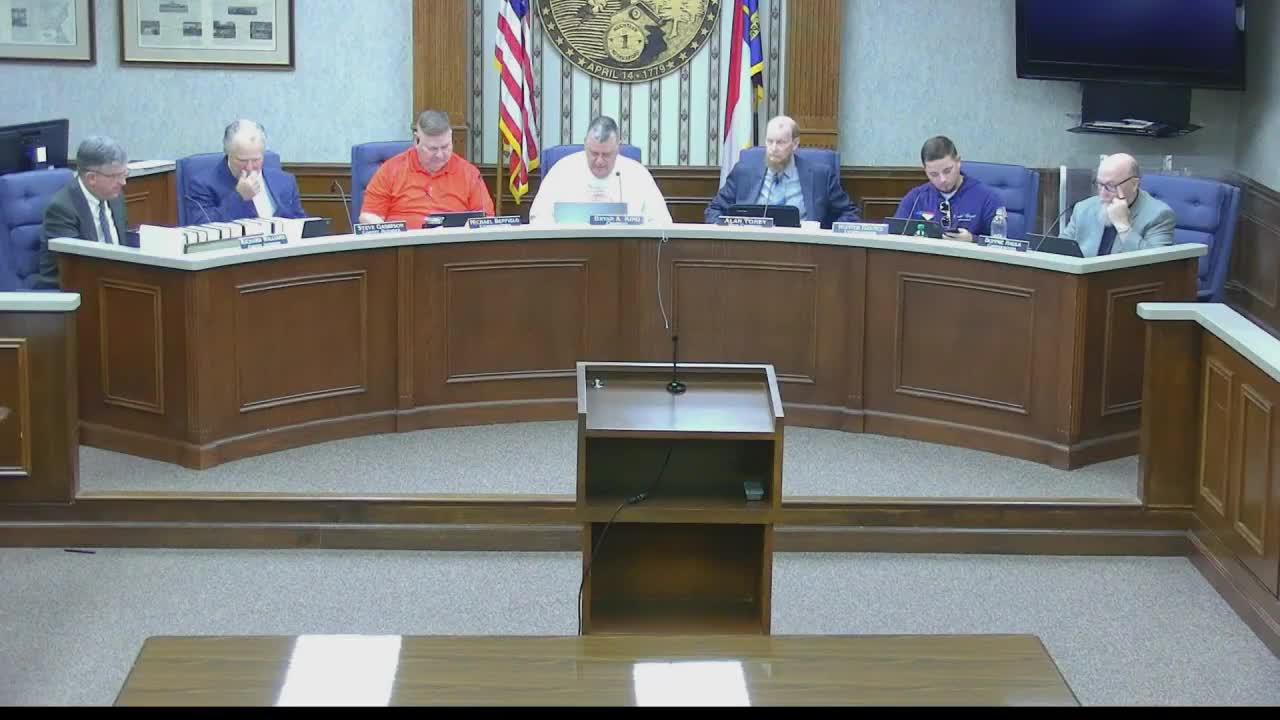
"We are allocated 1,400,000,000.0 from the US Housing and Urban Development," McGarrett said, and the state has directed the majority of that funding to single‑family housing, with additional allocations for multifamily, workforce homeownership, community infrastructure and downtown economic revitalization.
McGarrett described the single‑family housing program as a last‑resort reimbursement program that will provide rehabilitation, replacement of mobile homes and, in some cases, reconstruction. She said the program launched in mid‑June and that the state has finished six homes and has six more under way.
"We must comply with all federal laws," McGarrett said, describing requirements that include Davis‑Bacon wage rules, National Environmental Policy Act reviews, historic preservation reviews involving the State Historic Preservation Office and federally recognized tribes, and other HUD regulations. She warned those requirements make the program "cumbersome" and slow compared with immediate post‑disaster assistance.
Commissioners pressed McGarrett on eligible structure types (mobile and modular homes are eligible; garages generally are not) and on whether people who received FEMA assistance or were denied FEMA assistance can apply. McGarrett said FEMA applicants remain eligible but that CDBG‑DR awards must be reduced by any prior federal or insurance payments (the federal "duplication of benefits" requirement). "If you received funding from FEMA or from your insurance company, or somewhere else, we cannot, we have to subtract that from your total award," she said.
McGarrett said the program is income‑targeted and that 70% of funds must benefit households at or below 120% of area median income, with an initial focus on lower tiers. She also said the state is prioritizing applicants in HUD‑designated most‑impacted and distressed (MID) areas.
On outreach, McGarrett said the state has used intake centers, online portals, a mobile app, phone calls and door‑to‑door outreach and that door knocking and phone calls had been most effective locally. Her team reported they have knocked on roughly 531 doors in the region and urged county officials to help advertise; she said the application period is open through December but the transcript did not specify an exact calendar date.
McGarrett warned commissioners that duplication‑of‑benefits cases can be complex and sometimes involve large sums that are difficult for applicants to document. "We usually refer them to the long‑term recovery group if there's not an adjustment that we can make to their housing," she said.
She invited the county to coordinate outreach, sharing contact information and using county social media and text alerts to reach residents. McGarrett also described other CDBG‑DR components that will follow, including competitive multifamily funding, small rental owner programs, workforce housing and community infrastructure gap projects that can complement FEMA public‑assistance work.
The county's commissioners asked about the FEMA data the state is using to estimate the number of damaged homes (McGarrett cited a FEMA figure and said the state has received some FEMA data but that accuracy varies). She said the state is working to share data with counties while respecting confidentiality and that local damage assessments can help target outreach.
The presentation did not include any county action items or votes; commissioners and state staff agreed to continue coordinating outreach and to share messaging and logistics for outreach events.
View the Full Meeting & All Its Details
This article offers just a summary. Unlock complete video, transcripts, and insights as a Founder Member.
30-day money-back guarantee
Sponsors
Proudly supported by sponsors who keep North Carolina articles free in 2025

