Greater Harris County 9‑1‑1 presents FY2026 budget; warns stagnant 50¢ wireless fee threatens reserves
November 03, 2025 | Houston, Harris County, Texas
This article was created by AI summarizing key points discussed. AI makes mistakes, so for full details and context, please refer to the video of the full meeting. Please report any errors so we can fix them. Report an error »
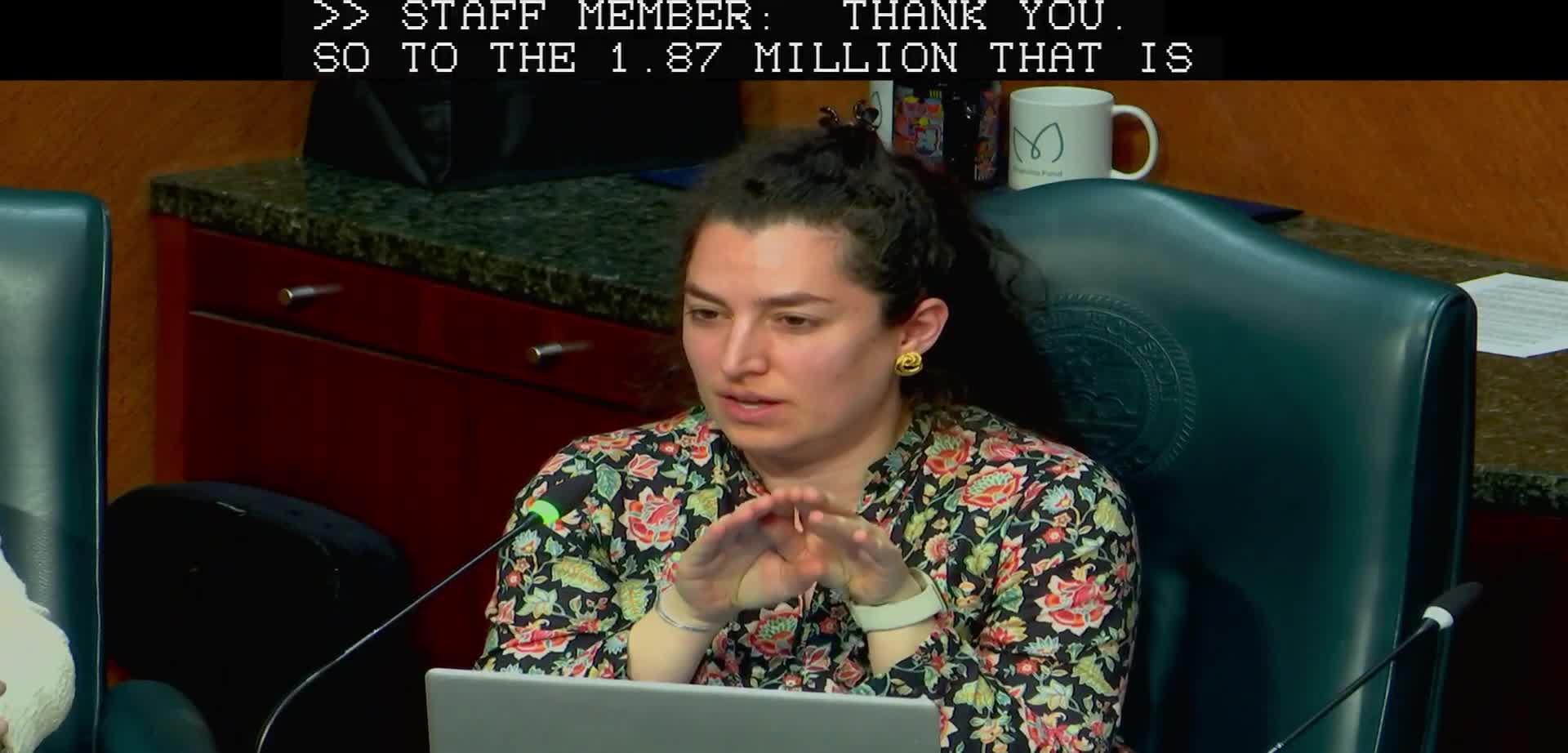
Director Jackson introduced Roger Hawk (GHC) and Rick Corbett, GHC’s financial manager, who summarized the district’s role: GHC provides 9‑1‑1 infrastructure, call‑taking solutions, training and technical support across Harris and Fort Bend counties, serving 37 call centers and a population of about 6 million. Hawk said the district trains roughly 1,100 telecommunicators and supports the Houston Emergency Center’s operations.
Key budget points and figures provided by GHC:
- Service‑fee revenue: approximately $48 million total (GHC estimates about $36 million from wireless fees and roughly $12 million from non‑wireless service fees).
- Reserves: GHC reported about $70 million in fund balance and investments, including prior ARPA receipts and funds from state programs; staff warned reserves decline in the out years if revenue is not addressed.
- Capital: FY2026 capital needs include roughly $4 million to outfit Fort Bend County’s new call‑center facility and about $2 million for uninterruptible power supply (UPS) upgrades and other infrastructure; the presentation lists total capital activity of about $9.2 million for the year.
- Staffing: the GHC budget shows 179 staff positions (the Houston Emergency Center budgeted at 178.5 FTEs); GHC said it follows NENA standards and aims to answer 90% of 9‑1‑1 calls within 15 seconds, though it acknowledged it is not currently meeting that target and is hiring to improve performance.
Corbett highlighted that the wireless fee of 50¢ per device has not increased since it was established and that operating costs rise 3–5% annually. He said the district is working with state lawmakers to pursue a fee increase or CPI‑linked approach; legislative action could be considered in 2027 or 2028, he said.
On capabilities, presenters described NextGen 9‑1‑1 features under evaluation or implementation: multimedia (text and MMS for photos/video), advanced geolocation and mapping to include caller‑provided medical data, and automated transcription with keyword alerting to help dispatchers and analysts review incidents.
Council members asked for a breakdown of contract and "other general" line items and requested metrics showing peak call volumes and staffing levels by hour or day. Director Jackson said GHC tracks peak call‑volume periods and staffing plans and that the agency maintains multiple hosted systems and redundant connections to support the 37 call centers.
GHC requested committee approval of the FY2026 budget and emphasized the district’s need for legislative help to modernize fee authority to maintain service levels and planned capital upgrades. The committee took no formal vote during the briefing; no members of the public spoke during the public‑comment period and the meeting adjourned.
View the Full Meeting & All Its Details
This article offers just a summary. Unlock complete video, transcripts, and insights as a Founder Member.
30-day money-back guarantee
Sponsors
Proudly supported by sponsors who keep Texas articles free in 2025

