Neighbors urge pause on AES Crossvine solar and battery project, cite emergency, decommissioning and property concerns
November 03, 2025 | Dubois County, Indiana
This article was created by AI summarizing key points discussed. AI makes mistakes, so for full details and context, please refer to the video of the full meeting. Please report any errors so we can fix them. Report an error »
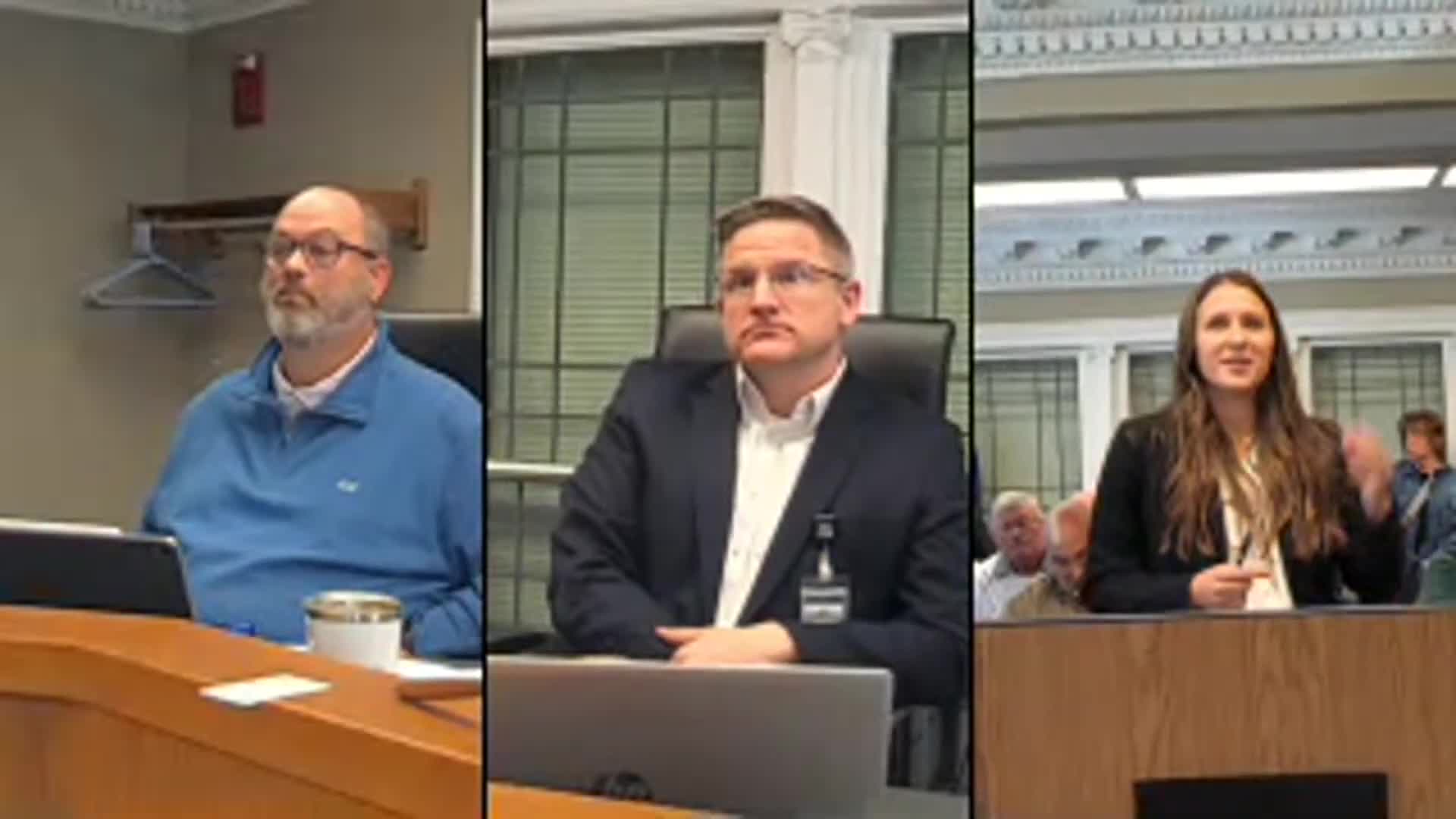
The most immediate concerns cited were firefighter safety and the difficulty of extinguishing lithium-ion battery fires. "We have a volunteer fire department," Melanie Barrett, president of the Holland Town Council, told commissioners. "I have a real problem with them doing first responder training after it's commissioned because what good does that do us?" Barrett said the town and volunteer responders had not received direct notice from the developer and that an evacuation radius for a major battery incident would present a serious planning problem for the town.
A number of speakers described local contact with the developer that they characterized as limited; some said they received only a general letter. "There has been no public involvement on something that will have serious, if not also dangerous consequences," resident Randy Bartle said during the public comment period. Neighbors also described concerns about property values, school proximity and stormwater impacts.
The county's written materials from the developer state the facility would include an 85 megawatt, 4‑hour battery energy storage system in 92 enclosures, and that equipment is designed and installed to NFPA 855 standards, with a minimum 100‑foot setback from listed structures. Commissioners said they had received a layout and other documents and that the developer planned a community open house and stakeholder outreach in November.
Speakers told the board that first‑responder needs go beyond a single training session. "Firefighter response to a large scale ... battery energy storage system fire primarily revolves around defensive operations," a resident said, quoting public sources that describe thermal‑runaway events that can last days and release toxic gases.
County staff said they would provide materials and copies of the permit and decommissioning agreements to concerned citizens and would review whether bonding and other financial assurances were sufficient so that taxpayers would not be left to pay decommissioning costs if an operator abandoned the site. "I will spend time in the next two weeks reviewing where we are, where we were, what we've done so far," one commissioner said, and promised to consult legal counsel and revisit the subject at the Nov. 17 meeting.
Town officials asked for earlier and clearer notice from the developer. "We did not get any information from AES at all. Not a letter, not any comments," Barrett said. John Palmer, a Holland town council member, added that the town's daycare and school populations increase the complexity of any emergency‑response plan: "We have a daycare... we have a school... and our elderly that we have to worry about."
The commissioners did not enact a moratorium at the Nov. 3 meeting but said they would review the county's solar ordinance, the development's decommissioning plan and the permit record, and report back at the Nov. 17 meeting. The board told residents it would provide electronic copies of the materials it had received from the developer.
Ending: Commissioners encouraged residents to provide written materials and petitions; they said the county clerk will accept copies of correspondence and that they would place the topic on the Nov. 17 agenda for further legal and policy review.
Don't Miss a Word: See the Full Meeting!
Go beyond summaries. Unlock every video, transcript, and key insight with a Founder Membership.
30-day money-back guarantee
Sponsors
Proudly supported by sponsors who keep Indiana articles free in 2025

