Garland council presses MD Health Pathways on rollout, outreach and protections for seniors
November 03, 2025 | Garland, Dallas County, Texas
This article was created by AI summarizing key points discussed. AI makes mistakes, so for full details and context, please refer to the video of the full meeting. Please report any errors so we can fix them. Report an error »
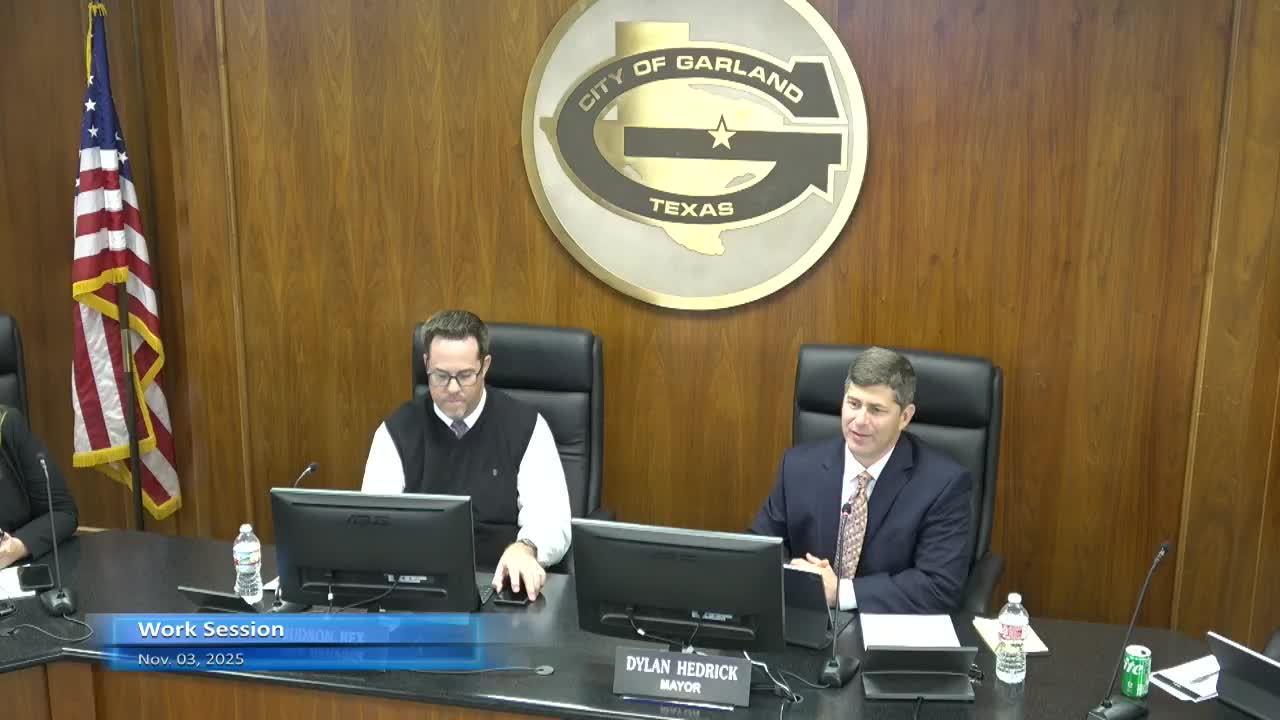
At the meeting, a representative for MD Pathways told council that the vendor has "started enrolling our first patients" and outlined a 13‑touch outreach plan aimed at municipal channels, schools, community groups and businesses. Assistant City Manager Phil Urukia said the city is coordinating the campaign and reported 2,473 households had already completed opt‑out requests.
Why it matters: Council members and members of the public said the program could help residents who are uninsured or underinsured — notably seniors and families with children — but they pushed for stronger protections and clearer outreach so residents are not surprised when a new line appears on a utility bill.
What the city and vendor said: MD Pathways staff described a soft launch with a 10,000‑household pilot and multiple outreach channels, including mail, utility inserts, town halls, faith groups and social media. The vendor said the service supports text, phone and video access and is working with local community health providers and nonprofits to reach people in need.
City staff repeatedly said the primary technical barrier to putting an MD Pathways line item on utility bills is pending updates and "patches" to the utility billing software (AUS). "We can't add that line item to the bill until we have the system caught up," Phil Urukia told council, noting the city is testing upgrades on a server.
Public comments and council concerns: Public commenters were sharply divided. Danny Starnes, a Garland resident, urged the council to automatically opt elderly residents out to protect those on fixed incomes, asking, "What is stopping you from doing the right thing in protecting our elderly citizens?" Another speaker, a Garland resident whose family relies on affordable medical access, urged support for the program and said a small monthly fee would be worth lifesaving care.
Council members pressed for specifics: multiple councilmembers asked MD Pathways and staff to produce an explicit, auditable launch date and to expand outreach targeted to seniors and homebound residents. Councilmember Thomas, an IT professional, stressed the need to finish testing and said the city should not rush software deployment until tests are complete. Councilmember Dutton recommended a mailed city‑branded notice to every household so residents receive an official, easy‑to‑recognize explanation of what the program is and how to opt out.
Vendor offer and staff limits: The MD Pathways representative said the vendor would be willing to underwrite an expanded free trial for Garland households if the council sets a firm billing date for the city (the vendor suggested a February bill date as an example). City staff said they could not commit to a full‑city launch until the AUS patching and concurrent AMI metering work finish testing on the city's servers.
Next steps: Staff reported they will continue technical testing and work with the billing vendor to add a utility bill information scroll or link, and the vendor will proceed with community outreach, including additional town halls and targeted mailings. Council requested that city and vendor materials include a clear Q&A and multiple opt‑out channels (phone, mailed form, online) and asked for follow‑up reporting on enrollment demographics, including senior usage once the pilot is under way.
View the Full Meeting & All Its Details
This article offers just a summary. Unlock complete video, transcripts, and insights as a Founder Member.
30-day money-back guarantee
Sponsors
Proudly supported by sponsors who keep Texas articles free in 2025

