Lynnwood officials outline $7–8 million 2026 shortfall; property‑tax bank capacity, utility‑tax hikes and fees among options
November 03, 2025 | Lynnwood, Snohomish County, Washington
This article was created by AI summarizing key points discussed. AI makes mistakes, so for full details and context, please refer to the video of the full meeting. Please report any errors so we can fix them. Report an error »
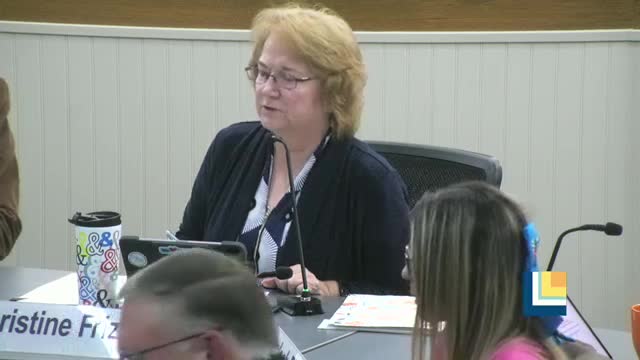
Finance Director Meyer said the city has "bank capacity" in its property‑tax levy that Council could use under state limits. The council’s current levy is about $7.2 million; Meyer said the statutory formula would allow a maximum levy near $11,052,000 under current assumptions — roughly $3.85 million of additional capacity. Staff emphasized that using the full bank capacity is lawful, but that future levy growth would be limited by state rules (roughly 1% per year) unless voters approve additional measures.
Meyer ran scenarios intended to be actionable in the short term. Key options discussed included:
- Property tax: using the council’s available bank capacity (about $3.85 million). Meyer said that under a notional 5% home‑value increase, moving to the maximum allowable levy would raise an average homeowner’s city portion by roughly $209 per year (about $17 a month) in council projections.
- Utility taxes: the city’s current municipal utility tax is 6% and has not been updated since 2014. Staff modeled raising the tax on city‑provided utilities (water, sewer and surface water) and adding solid‑waste taxation to the 6% base; a move from 6% to 10% across those services could generate roughly $1.4 million for the general fund, with an additional estimated $500,000 possible if a solid‑waste rate were included from an external provider. On a typical residential bill staff estimated the change could add several dollars per month per household; Meyer presented a sample where a 4% increase would be about $5.62 on an average bill and each 1% increase roughly $1.40.
- Vehicle‑license (tab) fee: raising a vehicle‑tab fee from $40 to $50 could yield an estimated $300,000 annually once fully implemented; timing rules under state law mean 2026 receipts would be lower (staff estimated about $200,000 for 2026 if implemented promptly).
- Business license and permitting fees: development services estimated a range of possible revenue depending on scenarios; staff presented a conservative range of $250,000 to $750,000 from fee increases or schedule acceleration, and parks/recreation noted roughly $200,000 of program fee potential.
Taken together, the modeled options get the city close to a $7–8 million gap but do not guarantee the full total without combination and/or voter measures. Council members debated the equity and timing implications: some cautioned that utility and fee increases impose immediate burdens on households already seeing higher costs for services, while others said structural changes — including a possible council‑manic public‑safety sales tax or ballot measure next year — should be explored to reduce reliance on regressive sources.
Meyer reiterated the timeline: a public hearing on property tax will occur next week, the budget amendment public hearing will follow, and council is scheduled to adopt levies and amendments on Nov. 24. Council did not take final votes Nov. 3; staff said they will return with more detailed fee proposals and supporting analyses in coming meetings.
Don't Miss a Word: See the Full Meeting!
Go beyond summaries. Unlock every video, transcript, and key insight with a Founder Membership.
30-day money-back guarantee
Sponsors
Proudly supported by sponsors who keep Washington articles free in 2025

