Huber Heights commission begins drafting public-art policies for donations, deaccession and ownership
November 03, 2025 | Huber Heights, Montgomery County, Ohio
This article was created by AI summarizing key points discussed. AI makes mistakes, so for full details and context, please refer to the video of the full meeting. Please report any errors so we can fix them. Report an error »
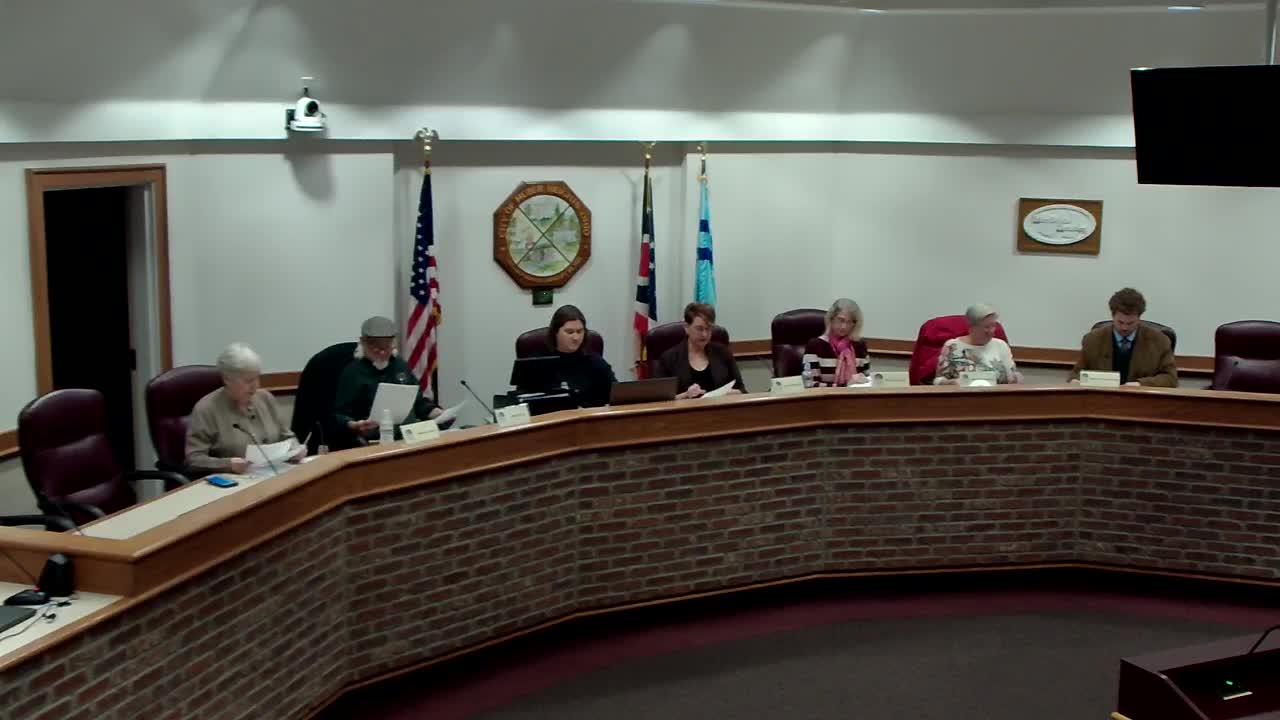
Chair Sarah Chapman framed the commission's role as advisory to Parks & Recreation and said there are currently no clear, documented Huber Heights procedures for accepting donated art, removing or decommissioning works, or handling copyright and reproduction rights. "It is our job to advise Sarah and the rest of our parks and rec team," Chapman said.
Commissioners reviewed an ordinance appendix from Upper Arlington provided as a model and identified specific policy questions to pursue: what types of artwork the city should accept (originals vs. prints/reproductions), how to store and rotate a growing collection, deaccession processes, ownership and copyright for commissioned public art, and the extent of the commission's role for art placed on private property.
Members raised enforcement and jurisdiction concerns for private installations, noting that zoning and sign regulations would typically govern murals on private buildings and that the commission could face complex questions if asked to oversee private property art. A commissioner said, "we'd be opening up a heck of a can of worms" if the commission were expected to dictate private owners' choices beyond ordinances.
Copyright and reproduction emerged as another substantive issue: commissioners asked whether work commissioned or donated to the city would carry copyright restrictions or be treated as public domain for reproduction and commercial use. One member said she would expect a city-commissioned installation to be "copyright free and considered a public installation for purposes of royalties," but commissioners agreed attorneys and council direction may be needed.
The commission also asked whether it should recommend a review process for works that citizens later find objectionable and how staff or council would manage contested pieces. Several members suggested the council might prefer ward-level complaints rather than an explicit commission-led removal process, but the question will be included on the commission's list for council consideration.
The commission instructed members to compile more questions and send them to staff; staff will present an initial prioritized list to the city council and return with guidance on which policy questions council wants the commission to develop into formal procedures.
Don't Miss a Word: See the Full Meeting!
Go beyond summaries. Unlock every video, transcript, and key insight with a Founder Membership.
30-day money-back guarantee
Sponsors
Proudly supported by sponsors who keep Ohio articles free in 2025

