Finance department plans reorganization, adds procurement authority and internal-controls pilot
November 03, 2025 | Delaware City, Delaware County, Ohio
This article was created by AI summarizing key points discussed. AI makes mistakes, so for full details and context, please refer to the video of the full meeting. Please report any errors so we can fix them. Report an error »
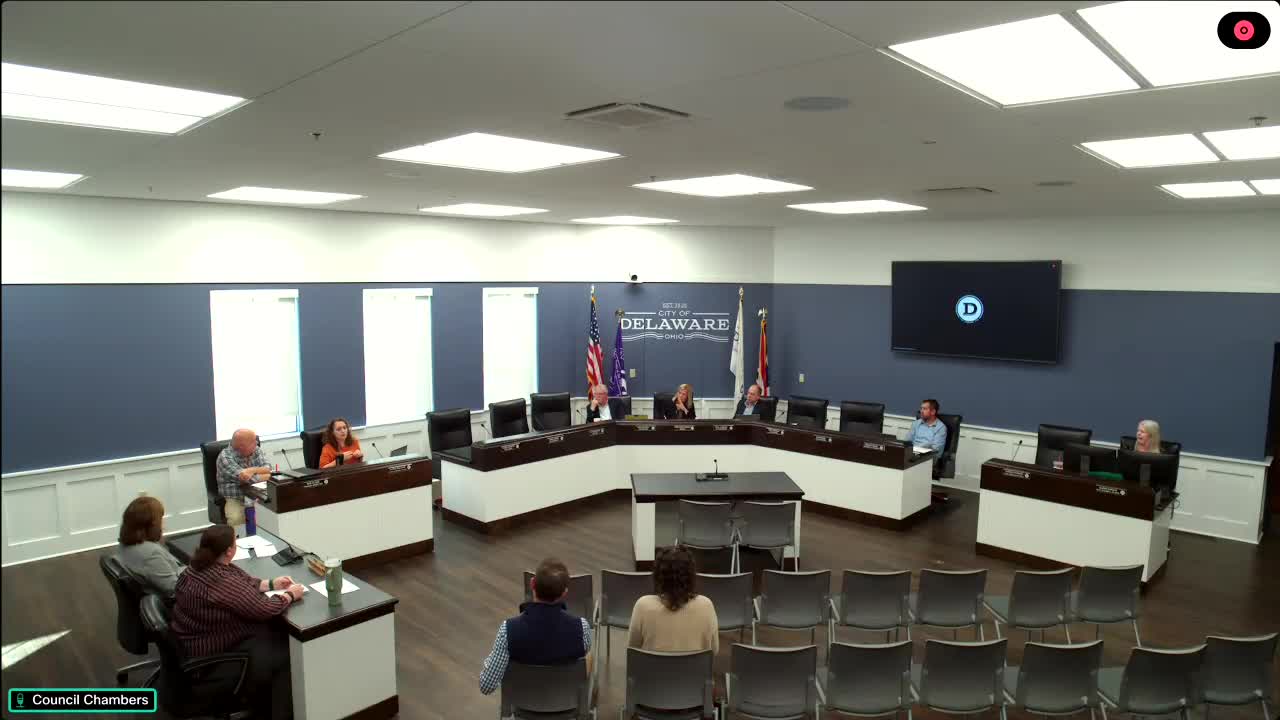
Staff announced Finance Director Rob will retire in January and recommended merging management/budget functions with finance to improve oversight and continuity. The reorganization would keep income-tax administration in place and create a procurement administrator role (a certified purchasing professional) to centralize purchasing decisions, vendor management and cooperative-purchasing use. Staff said the procurement administrator would work alongside existing purchasing staff, including Casey, the purchasing analyst, who presented 2025 results showing roughly $2.3 million in spending on cooperative contracts (Sourcewell, Omnia, Savvik, Aqualas and state bids) and summarized vendor-outreach and account-management work.
Staff also proposed adding a financial-specialist 1 position focused on accounts-payable support and expanding collections responsibilities across income tax and utility billing to be more proactive about past-due accounts. Lori, the income-tax administrator, presented plans to reduce mailing costs by shifting an annual taxpayer reminder from a full-page letter to a postcard, end the "declaration" penalty for quarterly estimated payments (as long as filers file and pay by April 15), pilot text reminders and reinstate civil enforcement tools (for example, wage garnishment or property liens) for nonfilers. Elke, deputy director for utility billing, described enhanced past-due email alerts and more frequent final billings that reduced the October shutoff list from large historic counts to about 200 accounts.
Mike Day, the budget management analyst, described an internal-controls pilot in which staff documented business-process narratives, identified 49 potential risks, then scored each risk for likelihood and impact. Staff used a product-of-scores threshold of 15 to select items for mitigation; phase two will implement and monitor controls. Risk-management staff said internal controls will support consistent application of immunities in the Ohio Revised Code when defending claims and improve operational transparency.
Why it matters: centralizing procurement under a certified purchasing authority and expanding collections and internal controls are intended to increase purchasing transparency, reduce duplicate contracting across departments, and smooth budgeting and cash-flow volatility.
Next steps: staff will implement headcount and job-title shifts in the FY2026 budget and continue the internal-controls pilot with potential rollout to other departments.
View the Full Meeting & All Its Details
This article offers just a summary. Unlock complete video, transcripts, and insights as a Founder Member.
30-day money-back guarantee
Sponsors
Proudly supported by sponsors who keep Ohio articles free in 2025

