Cuyahoga County sheriff outlines staffing studies, overtime pressure and reforms to cut costs
November 04, 2025 | Cuyahoga County, Ohio
This article was created by AI summarizing key points discussed. AI makes mistakes, so for full details and context, please refer to the video of the full meeting. Please report any errors so we can fix them. Report an error »
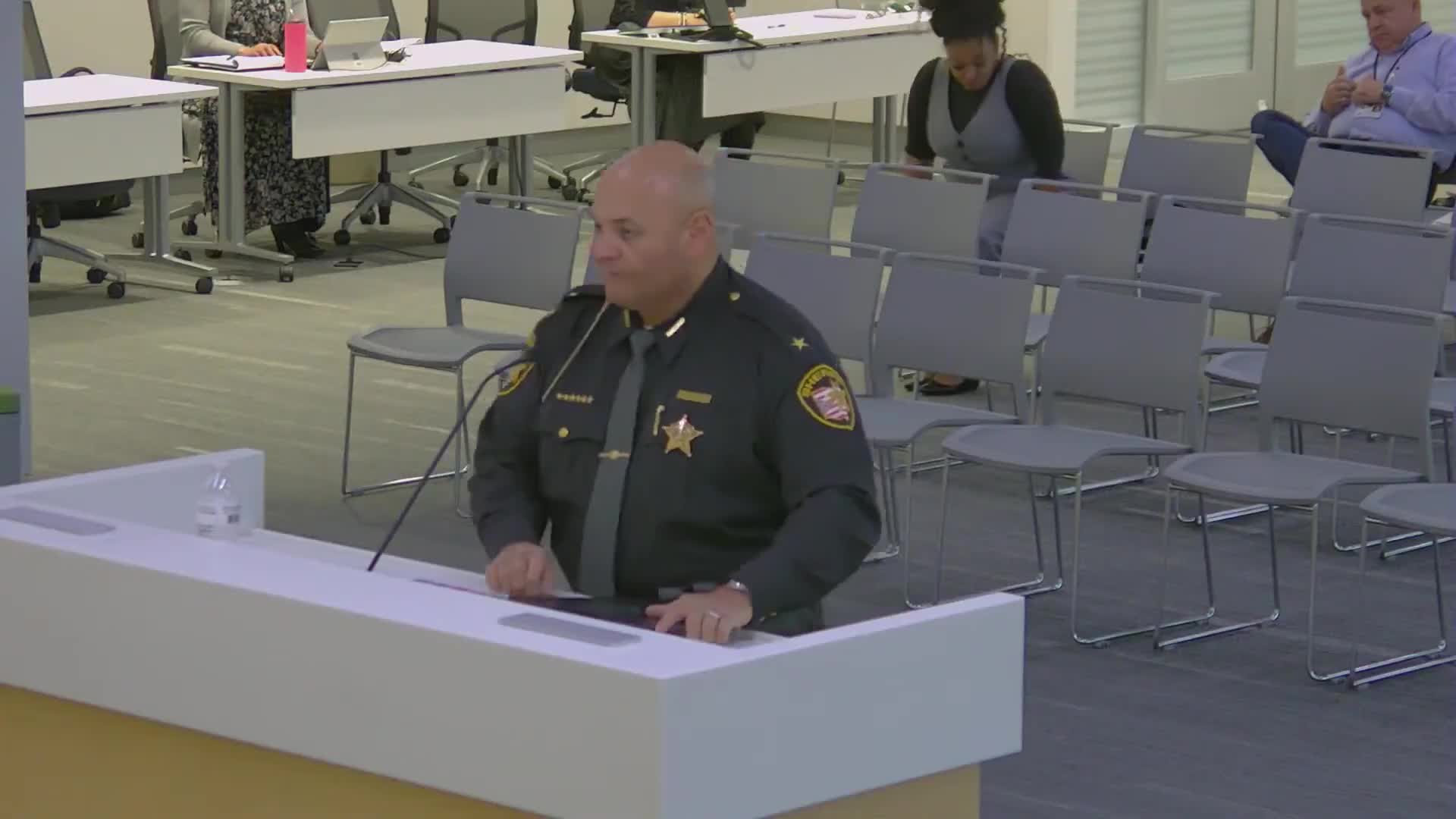
The sheriff said two staffing analyses—one focused on law enforcement and one on corrections—are informing changes intended to improve efficiency. He identified overtime as the department’s primary budget pressure and said projected overtime for 2025 is about $23,000,000. He said the office has reduced certain staffing hours by reassigning duties (for example, moving correction officers away from custodial tasks and hiring custodians and laundry workers) and by adopting shift‑length adjustments, such as a 10‑hour schedule implemented last year.
The sheriff described operational units and statistics: an electronic monitoring program with an average daily count of about 608 people and roughly 1.6 million alerts annually; a warrant unit working with U.S. Marshals on violent offenders; and a SWAT team that provides tactical support for municipalities and major events. He said the Community Support Unit (formerly the downtown safety patrol) is projected at 12 deputies and two sergeants to allow two squads and seven‑day coverage, but he also said current staffing and the hiring freeze limit immediate growth and that any expansion will depend on budget and hiring decisions.
Council members asked for detail on where overtime is spent (hospital transports and backfill were identified as major drivers) and whether recent administrative reforms—including stricter attendance policies and training for non‑corrections trades—had produced savings. The sheriff said those changes have reduced staffing voids and overtime. He also said the department is pursuing technology and scheduling tools to better track and manage overtime and staffing in near real time.
The sheriff characterized the work as a multi‑year effort involving the Office of Innovation, HR and the fiscal office, and he asked for continued support for staffing, equipment and leadership positions that he said are required to sustain the department’s improvements.
Don't Miss a Word: See the Full Meeting!
Go beyond summaries. Unlock every video, transcript, and key insight with a Founder Membership.
30-day money-back guarantee
Sponsors
Proudly supported by sponsors who keep Ohio articles free in 2025

