Council reopens site-plan for 70-unit affordable project, orders improvements before occupancy
October 31, 2025 | Los Angeles City, Los Angeles County, California
This article was created by AI summarizing key points discussed. AI makes mistakes, so for full details and context, please refer to the video of the full meeting. Please report any errors so we can fix them. Report an error »
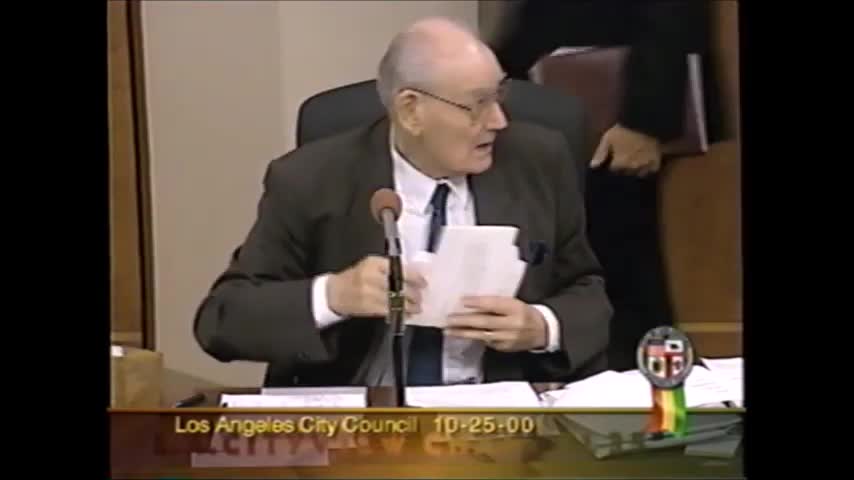
The hearing followed a stipulation and a writ of mandate issued by the court directing the council to set aside its July decision and rehear the matter; the writ addressed procedural defects and did not resolve the merits of the project. Attorney Arthur K. Snyder, representing the developer, described the project history: the property had been proposed at a higher density (162 units) but was reduced to 70 units after neighborhood rezonings and planning approvals. Snyder said planning staff and the Planning Commission had found the project met site‑plan standards and that the remaining dispute centered on timing of traffic improvements.
Neighbors, traffic engineers and retired city officials emphasized safety at the Huntington Drive and Mission Road intersection. Resident Michael Romero described the roadway as a “speedway” where motorists reach high speeds and urged a traffic signal prior to construction; traffic engineer Jack Greenspan and retired city engineer Ed Howell testified that requiring signal installation before issuance of a building permit was unprecedented in their decades of practice. Greenspan said the haul-route permit includes flagman requirements and signing based on the city’s Work Area Traffic Control Handbook.
Councilmember Nick Pacheco moved to require two specific improvements before any building permit: making construction‑period traffic controls and installing the traffic signal earlier than the committee’s timing; his motion failed on an amending vote (7–6). After additional debate the council approved the PLUM Committee report, which requires that all public improvements tied to safety be completed before any certificate of occupancy is issued and directs the Bureau of Engineering to begin design work immediately, with the developer reimbursing city costs. The final vote on the committee report was recorded as 13 ayes.
Supporters of the developer and project advocates told the council a 120‑day permit pull requirement tied to tax‑credit financing meant delays could eliminate the project’s eligibility for low‑income housing tax credits. Elva Grant of the California Council for Affordable Housing described the tax‑credit process and said failure to meet permit‑pull readiness timelines can cost projects their financing. Developer representative Ajit Mithaiwala said the project was on a waiting list and cited options for securing funds, including swapping allocations from another project and contributing approximately $150,000 to preserve eligibility.
The council’s action preserves the PLUM Committee’s approach: allow the city to proceed with signal design and construction planning now, require performance of safety measures during construction (including an increase to three flagmen for the haul route), and withhold certificates of occupancy until the improvements are completed. Councilmembers emphasized the city’s exposure to litigation if it adopted unorthodox procedural conditions that could defeat the project outright.
The zoning, building-permit and haul‑route approvals remain under existing administrative processes; the council record notes the haul‑route permit and related appeals were considered previously by the Department of Building and Safety and the Building and Safety Commission and are not directly before the council on rehearing.
Council action and next steps: the Bureau of Engineering is to proceed with signal design under a developer‑reimbursement arrangement; certificate of occupancy will not be issued until required improvements are complete. The city attorney and staff said they would remain available to answer follow‑up questions regarding the court’s writ and the rehearing.
Don't Miss a Word: See the Full Meeting!
Go beyond summaries. Unlock every video, transcript, and key insight with a Founder Membership.
30-day money-back guarantee
Sponsors
Proudly supported by sponsors who keep California articles free in 2025

