Staff outlines proposed critical-areas code updates; wells, aquifer recharge and channel migration highlighted
October 31, 2025 | Monroe City, Snohomish County, Washington
This article was created by AI summarizing key points discussed. AI makes mistakes, so for full details and context, please refer to the video of the full meeting. Please report any errors so we can fix them. Report an error »
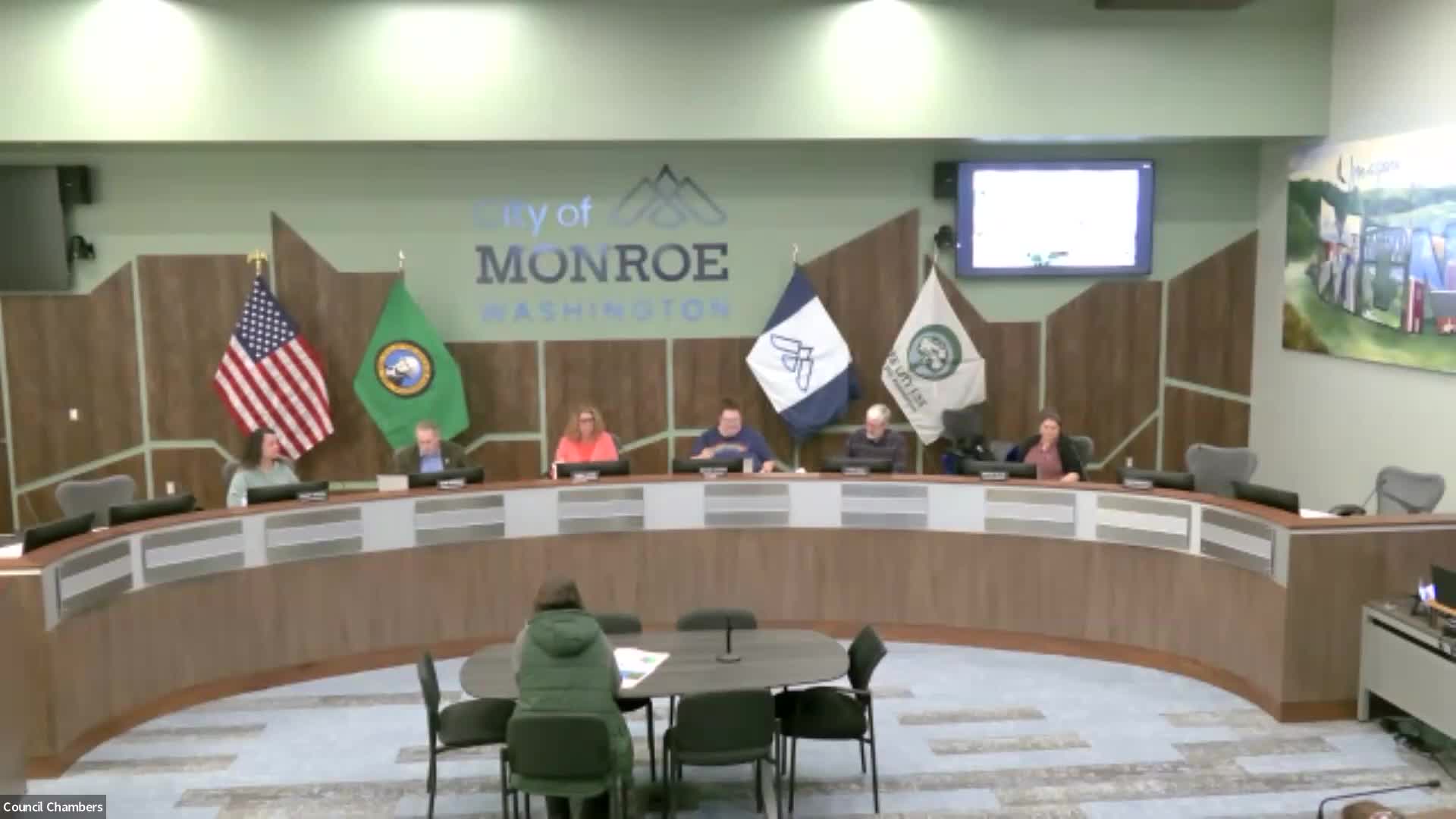
Key changes summarized by staff include: adding explanation of frequently flooded areas (with Title 14 continuing to govern floodplain regulations); identifying wellhead protection areas and developing tables describing permitted and prohibited uses near wellheads and aquifer recharge zones; acknowledging geologic hazards such as steep slopes, landslide risk and widespread liquefaction susceptibility in Monroe soils; and adding channel migration-zone considerations related to the Skykomish River.
Kate told commissioners the updates will rely on "best available science" from state agencies and that the city has discovered small wellhead protection areas and Class B protection zones that warrant new protections and guidance. She said that, "the rules themselves are not changing" for floodplains but that staff will provide more context in the code and will prepare materials for the Department of Commerce review.
Staff flagged upcoming substantive items for future meetings, most notably recommendations from the Washington Department of Fish and Wildlife on priority habitats and stream regulation changes that could alter how streams are regulated in Monroe. Commissioners asked clarifying questions about legal nonconforming status and exemptions for preexisting development in critical areas; Kate said legal nonconforming rules and exemptions are part of the code and would apply to existing residences and businesses.
What was not decided: No ordinance or regulatory adoption occurred at this meeting; staff presented the draft approach and signaled additional code sections and supporting graphics will return for review. Staff said certain sections remain in draft (highlighted in staff materials) and that more technical mapping and citations will be provided as the package is prepared for state review.
Ending: Kate asked commissioners to review the materials and prepare for discussion on priority-habitat and stream recommendations from the Department of Fish and Wildlife at a subsequent meeting.
Don't Miss a Word: See the Full Meeting!
Go beyond summaries. Unlock every video, transcript, and key insight with a Founder Membership.
30-day money-back guarantee
Sponsors
Proudly supported by sponsors who keep Washington articles free in 2025

