Lahaina Community Land Trust says it will buy land back, prioritize long‑term residents and cultural practitioners
October 31, 2025 | Missoula, Missoula County, Montana
This article was created by AI summarizing key points discussed. AI makes mistakes, so for full details and context, please refer to the video of the full meeting. Please report any errors so we can fix them. Report an error »
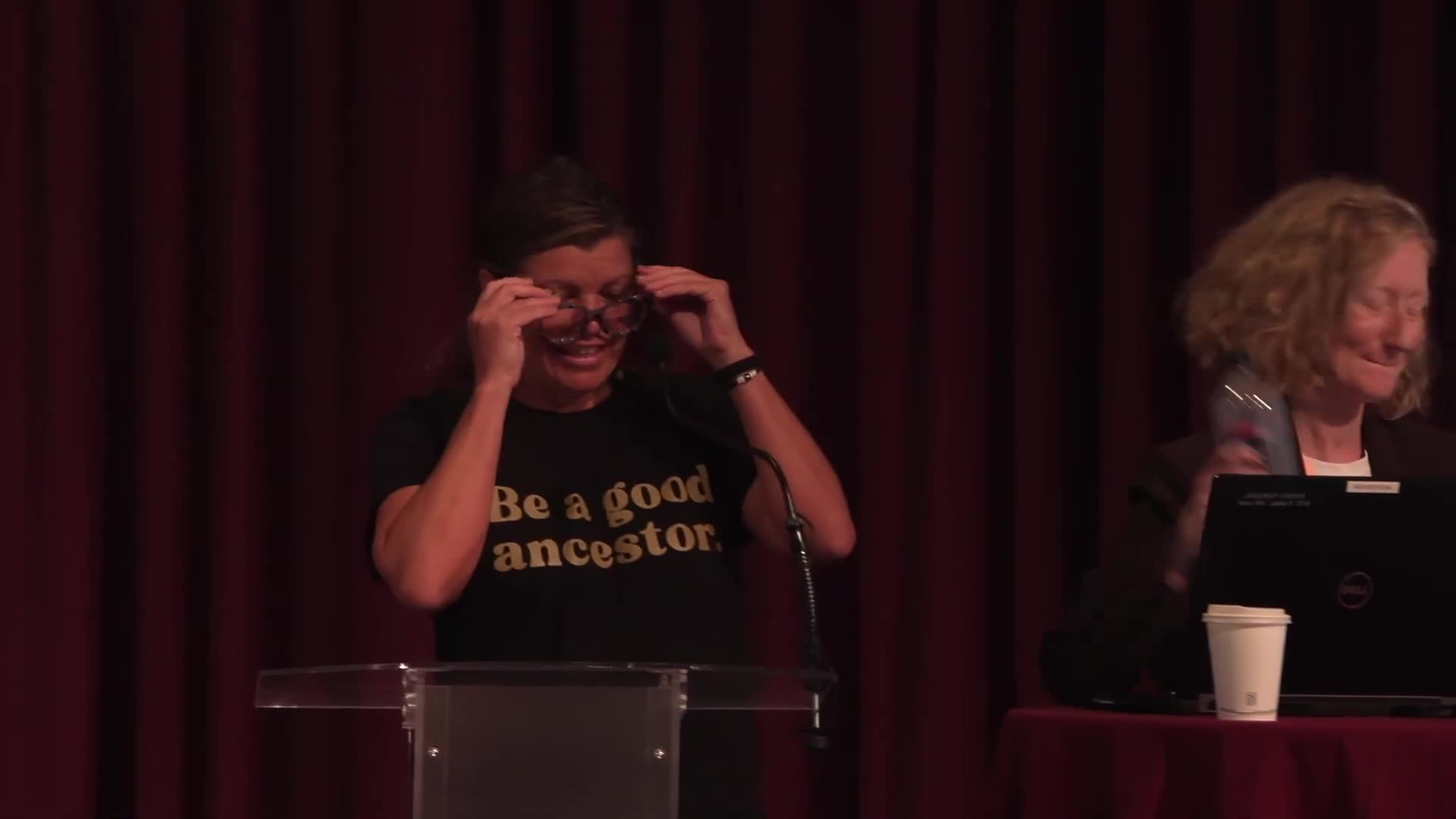
Ness said the CLT has used a mix of traditional CLT purchases and a program she described as an "insurance gap" option that allows families to keep title while recording a deed restriction with CLT‑style resale controls. Those deed restrictions, she said, are framed for residents as a "values document" rather than a punitive limit. The CLT reported 11 parcels secured and said its insurance‑gap work has so far prevented eight sales that would likely have transferred land to investors; Ness said the first ten families in the insurance‑gap cohort represent about 1,635 lived years in Lahaina.
Why it matters: Lahaina suffered a large, post‑fire displacement and community members told the CLT they did not want investor‑led redevelopment to reshape the town. The CLT framed land acquisition and long‑term stewardship as a pathway to "decommodify" land, restore local control, and support cultural continuity. Ness said the CLT has worked with county partners and outside volunteers to assemble proposals that helped secure a county funding package of about $15 million for the CLT's first year of work.
How the CLT is choosing homeowners and protecting cultural uses: Ness said the CLT will use lotteries and ranking systems that weigh how long households have lived in West Maui so that long‑term kamaʻāina (residents) are prioritized. The CLT is also developing legal frameworks to reserve some homes for cultural practitioners, teachers, and other community roles that support recovery and long‑term stewardship, rather than only selecting buyers by market comparable criteria.
Programs and financing: Ness described a suite of tools: standard CLT ground leases and resale controls for parcels the CLT purchases outright; a deed‑restriction/values‑document option for owners who want to stay but lack funds to rebuild; and targeted fundraising and county budget support. She said early giving and volunteer technical support from CLT peers helped the Lahaina effort scale quickly in the months after the fire.
Context and strategy: Ness placed the effort in a broader political frame, describing land loss in Hawaii as rooted in plantation-era dispossession followed by decades of extraction through tourism and real estate. She argued that decommodifying land and stewarding it collectively is a resilience strategy that addresses both climate risk and longstanding colonial dynamics. "If money is the only thing standing between our community beholden to the whims of a market…then frick. That's nothing. We're gonna get the money, and we are gonna do this," she told attendees.
Next steps and what remains unresolved: Ness said the CLT will continue buying parcels "one parcel at a time" and will expand legal and administrative work to implement prioritized lotteries and reserved units for cultural practitioners. She said some parcels have been acquired via direct sale without realtors so the CLT could have direct conversations with families; she did not present a complete financing plan for all future acquisitions and noted the CLT is still building staff and legal capacity.
Speakers quoted (first reference with title): Autumn Ness, executive director, Lahaina Community Land Trust: "We are going to buy it back."
Don't Miss a Word: See the Full Meeting!
Go beyond summaries. Unlock every video, transcript, and key insight with a Founder Membership.
30-day money-back guarantee
Sponsors
Proudly supported by sponsors who keep Montana articles free in 2025

