Hinsdale police explain crash-based stop-sign standards; commission seeks clearer public guidance
October 30, 2025 | Hinsdale, DuPage County, Illinois
This article was created by AI summarizing key points discussed. AI makes mistakes, so for full details and context, please refer to the video of the full meeting. Please report any errors so we can fix them. Report an error »
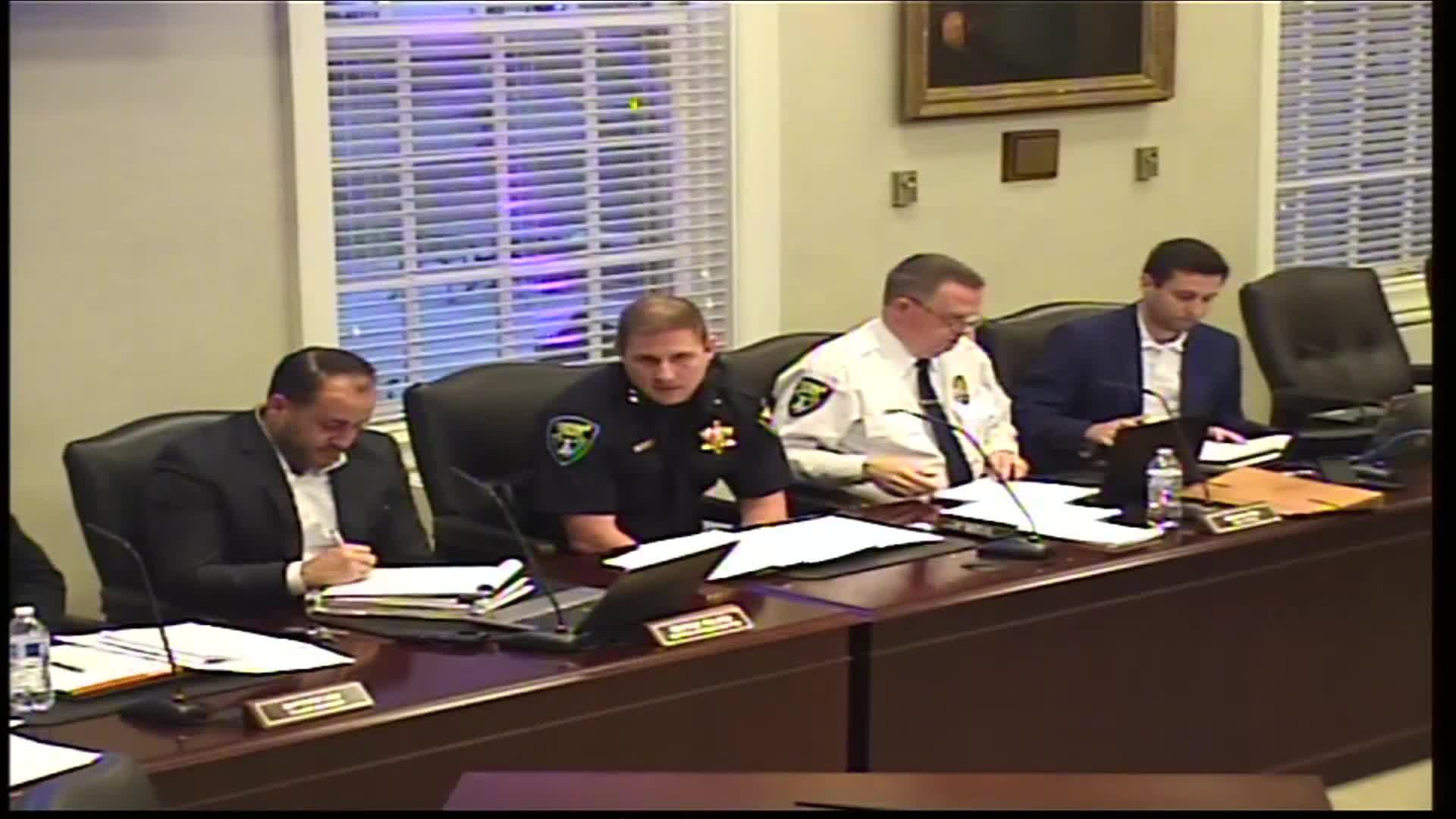
Lillie described crash-based triggers historically used to justify all-way stops (for example, five right-angle collisions within 12 months or six crashes within 36 months) and said the department also uses other measures—traffic volume, sight distance, pedestrian counts and professional engineering judgment—when crash thresholds are not met. "Some years ago, the MUTCD said you needed to have five right angle collisions that would be correctable by an all-way stop," Lillie said. "They've since updated it and said, hey, if you get six crashes within a 36 month period, that would also qualify."
Commissioners and residents told the meeting they had been confused by past outreach that suggested the police would not study an intersection unless a specified crash benchmark existed. Trustee Neil Burns and other commissioners pushed back on that perception; Burns summarized the community concern and said it was inaccurate to tell residents the department would not study an intersection without a crash count. Chief Brian King and Lillie confirmed the department investigates all complaints and may take non-regulatory actions (trimming vegetation, adjusting parking, adding striping, deploying high-visibility treatments or recommending crossing guards) before recommending regulatory changes.
Lillie also described pedestrian-focused methods such as pedestrian gap studies and said proximity to schools and observed pedestrian activity factor into engineering decisions even if 8-hour volume standards are not met during the entire day. Commissioners urged staff to simplify public-facing communications so residents understand how to submit a request and what remedies staff might pursue before formal changes are recommended.
No formal vote was recorded; staff confirmed it will review and refine public guidance describing how intersection concerns are evaluated.
Don't Miss a Word: See the Full Meeting!
Go beyond summaries. Unlock every video, transcript, and key insight with a Founder Membership.
30-day money-back guarantee
Sponsors
Proudly supported by sponsors who keep Illinois articles free in 2025

