Lawmakers, DHR and advocates spar over HB 340 uniform notification and due-process form
March 19, 2025 | Children and Senior Advocacy, House, Alabama Legislative Sessions, Alabama
This article was created by AI summarizing key points discussed. AI makes mistakes, so for full details and context, please refer to the video of the full meeting. Please report any errors so we can fix them. Report an error »
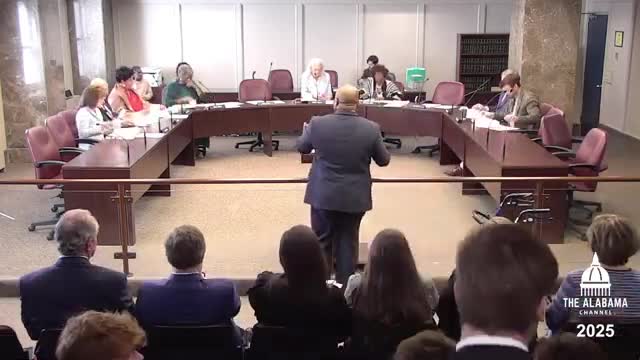
"This is a bill that will establish requirements for the Alabama State Department of Human Resources to establish uniform procedures when they investigate allegations of child abuse," Representative Paschal said. He said the measure would not prevent DHR from taking immediate action where a child is in danger.
Supporters at the public hearing described traumatic experiences with what they called inconsistent or heavy-handed practices by DHR. Terry LaPointe said many investigations are unsubstantiated and that parents often feel coercion. Dee Prince, who identified herself as from Shelby County, described having children taken from her family and later reinstated; she urged a system that gives parents clear information about rights and next steps. Melissa Hera said her children were removed and later a DHR letter found allegations unsubstantiated, and she argued that parents need notice of alternatives such as family safety placements.
Opponents including law-enforcement and child-protection professionals urged caution. Huey Halsmack, executive director of the Alabama Sheriffs Association, and Rick Chancey, a district attorney, said notifying parents of investigative steps or giving access to investigative materials could alert potential perpetrators and hamper criminal investigations. Chancey said the multidisciplinary Children’s Advocacy Center (CAC) process depends on coordination among DHR, law enforcement and prosecutors and warned that premature disclosure “could impede criminal investigations.”
Lynn Bias, state director for the Child Advocacy Centers of Alabama, told lawmakers the bill could “jeopardize the case” and prevent effective forensic interviewing. DHR Commissioner Nancy Buckner urged lawmakers to consider national data showing most indicated abuse reports are perpetrated by parents or step-parents and said DHR typically works with law enforcement and obtains judicial orders when required. She said the department is willing to continue working with sponsors but described an impasse on key language.
Representative Paschal said he will continue talks and consider amendments offered by judges and practitioners to clarify recording and law-enforcement coordination. He told the committee he was willing to meet with stakeholders during the legislature’s spring break and return with revised language. The committee did not vote on the bill at the hearing; the chair noted the customary practice of not voting on a bill the same day as its public hearing and said the bill will be returned to committee after the break.
Public testimony at the hearing was limited to eight speakers at three minutes each; the record shows a mix of parents, advocacy groups, sheriffs and prosecutors. Committee members asked questions about timing of notifications and protections for criminal investigations; several members urged the sponsor to negotiate language with law enforcement and child-protection practitioners before the bill is scheduled for a vote.
View the Full Meeting & All Its Details
This article offers just a summary. Unlock complete video, transcripts, and insights as a Founder Member.
30-day money-back guarantee
Sponsors
Proudly supported by sponsors who keep Alabama articles free in 2026

