Committee approves bill letting dismissed defendants seek attorney fees after prosecutor disqualification
March 27, 2025 | Judiciary, HOUSE OF REPRESENTATIVES, Committees, Legislative, Georgia
This article was created by AI summarizing key points discussed. AI makes mistakes, so for full details and context, please refer to the video of the full meeting. Please report any errors so we can fix them. Report an error »
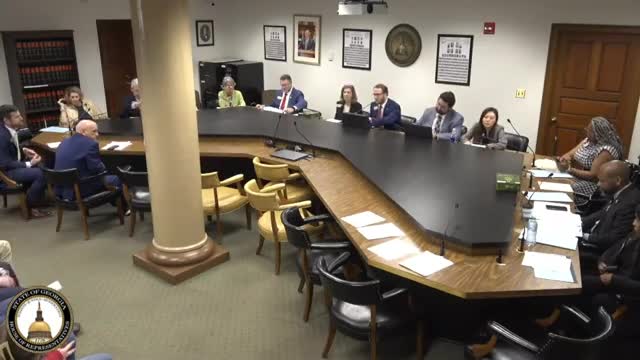
Senator Beach, who presented the measure identified in the hearing as Senate Bill 244, told the committee "if a prosecuting attorney is disqualified, for misconduct, prosecutorial or personal misconduct, and then the case is dismissed, then those that were indicted have the opportunity to go back and ask the court for reasonable attorney fees and reasonable cost." He said the provision would let affected defendants present their invoices to a superior court judge for consideration.
The bill drew sustained questioning over whether it would create the appearance of cronyism or unduly burden smaller counties. Representative Panitch asked whether the bill would allow defendants to sue prosecuting attorneys when, for example, a prosecutor is disqualified following an unrelated personal incident. Panitch said, "To me, politicians are criticized all the time because people think we come down here for ourselves ... You are asking for a bill that would specifically benefit Senator Still. How is that not cronyism?" Senator Beach responded that the provision would apply to "all 15 defendants" in the case being discussed and argued the measure was intended to protect people whose lives and finances were harmed by prosecutorial misconduct.
Several members pressed fiscal and operational concerns. Representative Kendrick and others warned that awards of attorney fees could be large and might strain budgets in smaller or rural counties. Representative Kendrick asked why the bill lacked a cap, saying: "Why isn't there a cap on fees? ... something like this could actually bankrupt the prosecuting attorney's office and put everybody in that county, safety and ability to prosecute crimes under jeopardy." Senator Beach said the bill allows affected defendants to ask a superior court judge for reimbursement and that the judge would determine reasonableness; he said he did not favor setting a cap.
Committee members and witnesses also discussed the standards that would trigger the remedy. Several members asked whether "improper conduct" was defined and whether the trigger should be a narrow nexus between the misconduct and the dismissal. The transcript records references to professional ethics rules, with multiple participants citing "Rule 3.8" or the prosecutors' code of professional conduct as guidance for defining prosecutorial misconduct.
Members proposed and debated multiple amendments. Representative Panitch offered amendments seeking to change who would pay awards and to limit application; the amendment failed. Other amendment attempts proposing caps and a requirement that awards be paid from the state treasury were also rejected. Representative Kendrick offered language tying "improper conduct" to a violation of Rule 3.8; that amendment failed as well.
The chair called the question on the underlying bill after debate. The committee advanced the measure on a voice vote; the transcript records the call and the chair's announcement that "Ayes have it. You're on the rules. I'll sign it." The record does not show a roll-call tally in the transcript.
Why it matters: supporters said the bill provides a judicial route for defendants to seek redress for serious prosecutorial misconduct. Opponents warned the measure could expose counties to large liabilities and could incentivize tactical disqualification requests. Committee members also discussed whether the statutory language should clarify when a judgment is considered final for fee claims and whether caps or state funding should mitigate fiscal risks.
The committee's action advances the bill for further consideration; the record shows multiple failed amendment attempts and lingering disagreements about definitions and fiscal impacts.
Don't Miss a Word: See the Full Meeting!
Go beyond summaries. Unlock every video, transcript, and key insight with a Founder Membership.
30-day money-back guarantee
Sponsors
Proudly supported by sponsors who keep Georgia articles free in 2026

