Ranger Services Coordinator engages community on mental health support initiatives
June 13, 2025 | 2025 Legislature MA, Massachusetts
This article was created by AI summarizing key points discussed. AI makes mistakes, so for full details and context, please refer to the video of the full meeting. Please report any errors so we can fix them. Report an error »
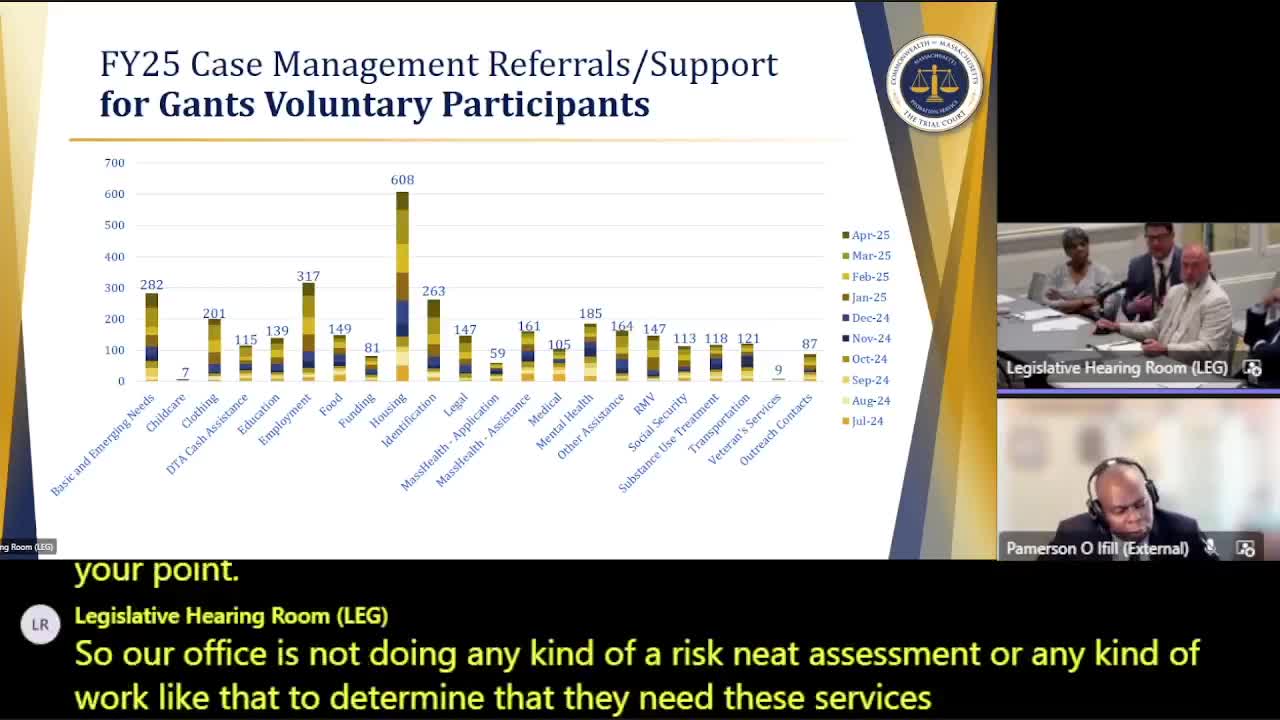
During the discussions, legislators noted that many individuals are coming forward to request assistance, particularly in relation to mental health evaluations and ongoing treatment. This self-reporting indicates a significant demand for mental health resources, suggesting that a larger cohort of individuals may be in need of support than currently recognized. The dialogue around these needs is crucial, as it reflects a shift towards a more compassionate approach to correctional supervision.
The meeting also touched on the role of coordinators, such as ranger services coordinators, who can engage with individuals to facilitate their access to necessary resources. This engagement is vital in helping individuals navigate their options for mental health support and treatment, potentially leading to better outcomes for those involved in the correctional system.
While the discussions were primarily focused on mental health, the implications extend beyond individual cases. The acknowledgment of these needs points to a broader understanding of the challenges faced by individuals in correctional settings and the importance of collaboration among various services to provide comprehensive support.
In conclusion, the Massachusetts Legislature's meeting underscored the pressing need for mental health resources within the correctional system. As the state moves forward, it will be essential to address these needs effectively, ensuring that individuals receive the support they require to reintegrate successfully into society. The ongoing dialogue and collaboration among various stakeholders will be crucial in shaping future policies and practices in this area.
View full meeting
This article is based on a recent meeting—watch the full video and explore the complete transcript for deeper insights into the discussion.
View full meetingComments
Sponsors
Proudly supported by sponsors who keep Massachusetts articles free in 2025

