Evanston housing policies criticized for inequities affecting low-income residents
June 14, 2025 | Evanston, Cook County, Illinois
This article was created by AI summarizing key points discussed. AI makes mistakes, so for full details and context, please refer to the video of the full meeting. Please report any errors so we can fix them. Report an error »
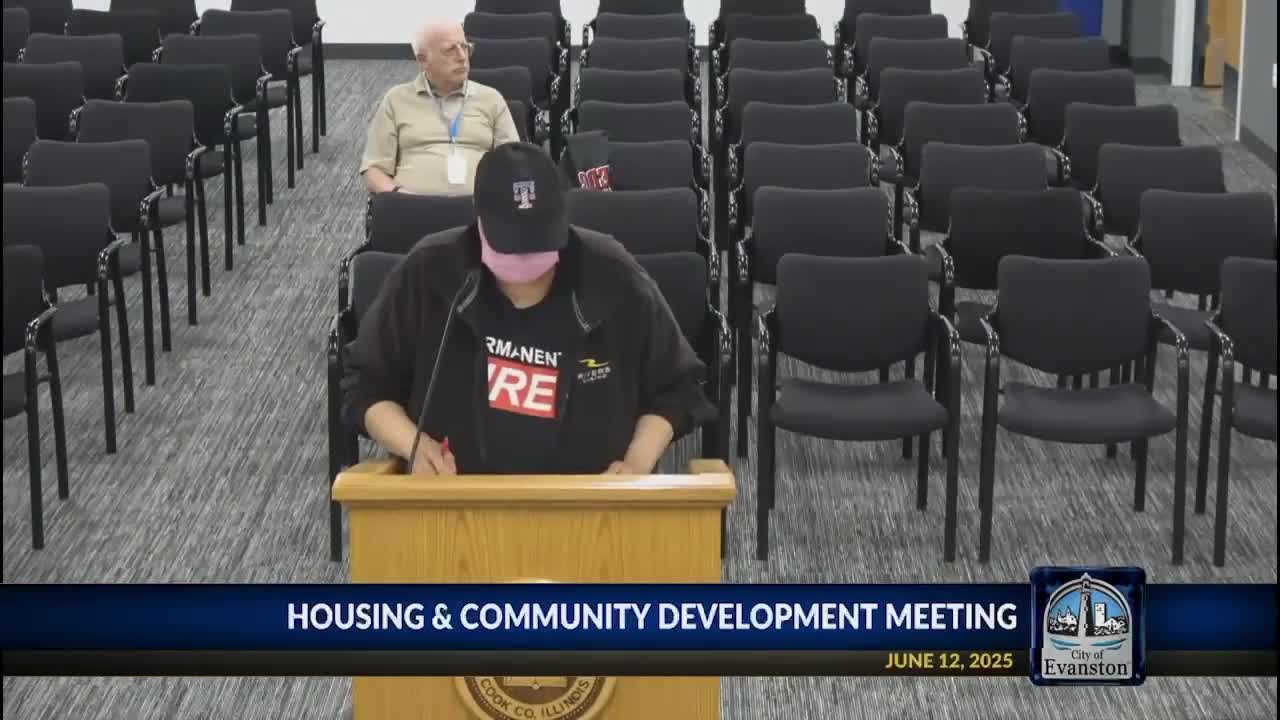
Committee members highlighted the city's inclusionary housing ordinance, which is set at 60% AMI. This ordinance applies to all new downtown developments in Evanston, allowing developers to bypass HUD programming, including Section 8 housing and connections to homeless services provided by agencies like Catholic Charities. Critics of the ordinance expressed concerns that while the city promotes fairness and equity, developers benefit from incentives, leaving low-income residents, particularly those utilizing housing vouchers, without support.
One community member voiced strong objections, stating that the current system resembles modern-day redlining. They noted the lack of diversity in meetings regarding luxury developments aimed at Northwestern University students, emphasizing that they often find themselves as the only Black person present.
The discussion also touched on the inadequacy of the Community Development Block Grant (CDBG) program in assisting landlords who accept HUD vouchers. Instead of receiving support, residents reported facing code violations from Property Standards, which they felt targeted them rather than helping improve their living conditions. The committee was urged to reconsider its approach, with calls for a focus on creating livable communities and investing in housing improvements rather than merely enforcing code violations.
In conclusion, the meeting underscored the ongoing challenges in addressing affordable housing in Evanston, with community members advocating for more equitable solutions that genuinely support low-income residents. The committee's next steps remain to be seen as they continue to navigate these complex issues.
View full meeting
This article is based on a recent meeting—watch the full video and explore the complete transcript for deeper insights into the discussion.
View full meetingComments
Sponsors
Proudly supported by sponsors who keep Illinois articles free in 2025

